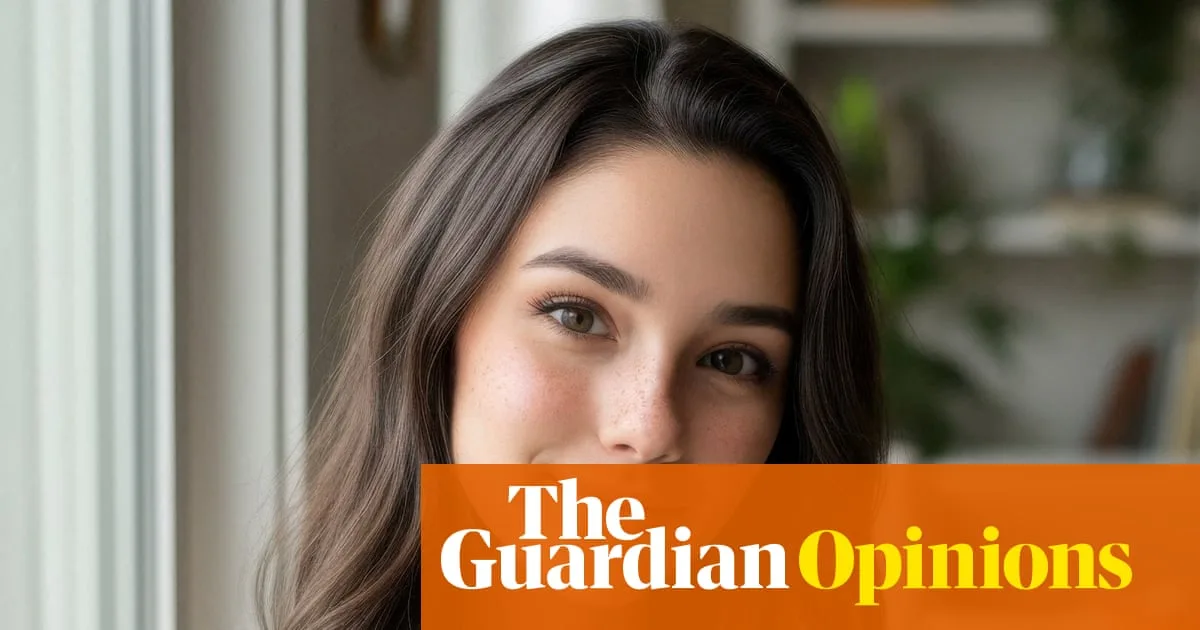
The backlash against AI actor Tilly Norwood has been swift and fulsome, with actors, critics and the public united in condemnation. The sketch, which screened at a conference in Zurich, drew ire from Sag-Aftra, who stated creativity 'should remain human-centred'. Natasha Lyonne called it 'deeply misguided and totally disturbed', while Emily Blunt told a podcast: 'Good Lord, we’re screwed. That is really, really scary.'
Yet such zeal for naturalism rings hollow when one considers the cosmetic surgery apparently undertaken by at least four A-list female actors this season, all under 40. Cheeks have been smoothed, jaws tightened and lips plumped – no CGI required. While procedures are a personal matter, they undermine claims of commitment to human connection when actors’ faces become standardised and homogenised.
The writer notes watching an intense new drama starring one such actor, only to be thrown by abrupt facial changes, feeling 'distanced, mournful and faintly frightened'. The pressures on female actors to fight ageing are understandable, but altering one’s face makes protestations of gritty reality harder to swallow.

Beyond cosmetic work, Hollywood is in a golden age of self-absorbed cinema. Films such as Jay Kelly (starring George Clooney as a Clooney-esque icon) and biopics like Springsteen: Deliver Me from Nowhere feed star egos rather than audiences. Other examples include Die, My Love with Jennifer Lawrence, and Daniel Day-Lewis’s comeback Anemone. If actors want to avoid alienating audiences, they might consider broadening their scope beyond navel-gazing.