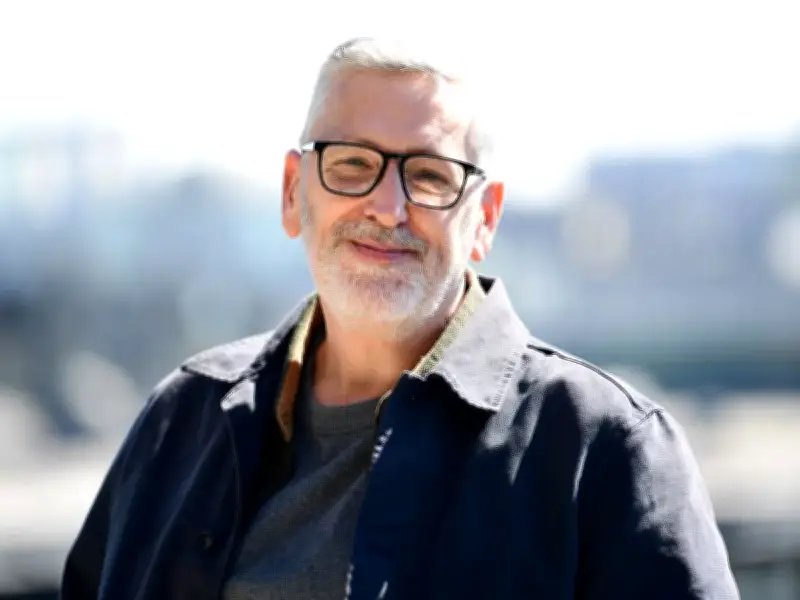
Liverpool writer Tony Schumacher, creator of BBC dramas The Responder and The Cage, has spoken passionately about the importance of regional voices in television and what he hopes to see when he is 94. He was speaking at a Labour Party Conference event on Monday (September 28) about the future of the BBC and what working for the corporation has done for him personally and professionally.
BBC's role under review
The discussion came as the government continues its once-in-a-decade review of the BBC Royal Charter, ahead of the current charter's expiration in December 2027. The crux of the conversation revolved around what role the BBC plays, questions around the license fee, and its place in the national and international media landscape.
Addressing those questions through his own experience, Schumacher said: "There's no escaping the fact that if it wasn't there, people like me would find it difficult to get a job in this industry. People like me would lose that window of opportunity to go [into meetings and] sound the way I sound [...and] tell the stories that I want to tell [...] and the opportunity to tell it in a way which is entertaining and funny, and use actors who you wouldn't hear otherwise."
Eton actors and local inspiration
He added: "I was a little bit late today because I was on a casting call for a job that's hopefully coming up soon. Three of the actors we were talking about, and I'm not having a go at these actors - they were all from Eton. It's got to be a stretch for them to sound like me. I mean, they're good, but you know. I'm writing about people like me, and not only am I writing about people like me, I hope I'm inspiring people like me."
Schumacher recalled a memory from growing up, when his dad pointed out a house near where they lived and told him it used to be the residence of Liverpool screenwriter and Boys from the Blackstuff creator Alan Bleasdale. He said: "It made me think, 'Wow', somebody who grew up around here can do something for TV. So if we lose those local [BBC] jobs, if we lose those local voices, the young people coming up [... who are looking to] break into the into this world, they won't hear people who sound like them. They won't feel like it's a place where they can feel comfortable, and talk, and share their stories."
Comparing the BBC to Sycamore Gap tree
He said: "The BBC is not perfect. I think everyone here knows that. We all know it. But to me, it's like the Sycamore Gap tree. The second it's gone, we'll all be looking at that big empty space, thinking, 'What have we done? Why didn't we protect that more? Why didn't we fight for that?' [On the other side] I'd point to the BBC and I'd say, 'Why aren't you fighting harder? Why aren't you making more of a noise about the good things that you do?'"
He concluded: "The generations to come, who are going to make brilliant television, fantastic radio, including local radio, they're going to inspire the next stories and the stories after that. And then, hopefully [by then], when I'm 94, I won't be listening to three fellas from Eton trying to get a job", he joked.