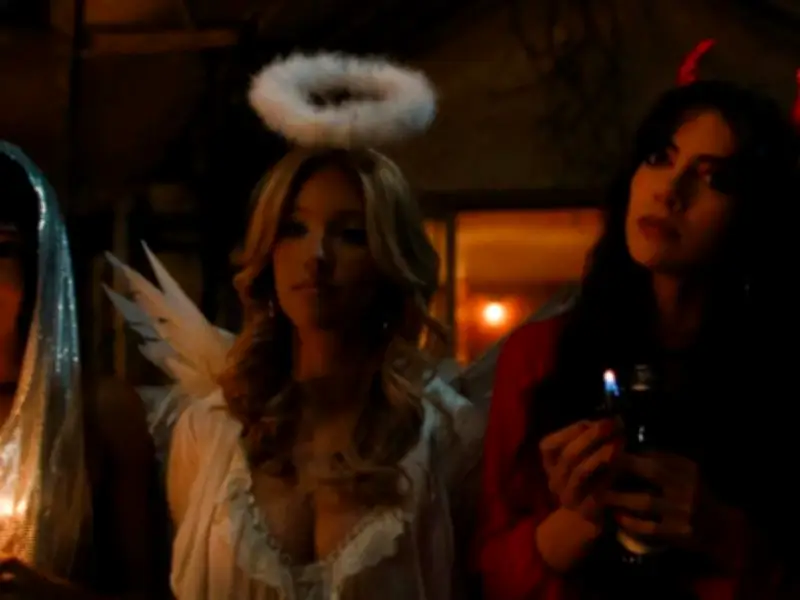
Netflix's psychological horror drama The Body, which premiered earlier this month, has drawn both outrage and acclaim. A petition demanding its cancellation has gathered 158,671 signatures, yet the series is being hailed as some of the best television in recent memory.
The show follows an all-girl Catholic high school dance troupe whose Halloween ritual triggers mass hysteria—or possibly genuine possession. The controversy it sparked mirrors its on-screen chaos, with critics and viewers sharply divided.
A Petition and a Promise
The petition states: "The show's own tagline promises that the girls 'pray hard and sin harder'. You spend years teaching your daughter to pray. Netflix wants to teach her that prayer leads to the Devil." It urges Netflix's Chief Content Officer, Peter Rice, to cancel the series before it reaches more Christian homes.
Despite the backlash, the show has found a passionate audience. One viewer described it as "some of the best television I've seen in a long time," comparing it to Arthur Miller's The Crucible crossed with Euphoria and a hint of Bring It On.
Style and Substance in 2004
Set in 2004, the series captures the era with bedazzled tracksuits, faux fur, and crystal blue eyeshadow, contrasted with the strict Catholic school dress code of ties and knee-length skirts. The tension is heightened by a tender sapphic undercurrent between the school's queen bees, Anya (Kristina Bogic) and Elise (Sara Boustany), as they investigate the near-death of a fellow student.
Enter Lisbeth (Geena Meszaros), a former religious fanatic from a banned church in West Virginia, who insinuates herself into the group's fractures with religious symbolism and tales of demonic possession. Her desperate desire to join the popular crowd drives her to manipulate and divide, making her one of the most compelling villains in recent television.
Essential Viewing
The Body is an eight-episode series that blends religious horror, teenage drama, and LGBTQ sensitivity. It is currently streaming on Netflix, and its fate—petition notwithstanding—remains to be seen.