The Testaments Fans Uncover Chilling Becka Theory That Proves Correct
Testaments Fans Uncover Chilling Becka Theory That's Correct

The Testaments Viewers Decode Becka's Disturbing Backstory

Fans of the acclaimed television series The Testaments have developed a deeply unsettling theory regarding the character Becka Grove, portrayed by Mattea Conforti, and their analysis has been confirmed as accurate. This revelation emerges from the show's narrative and its source material, Margaret Atwood's novel of the same name.

A Theory Born from Subtle Clues

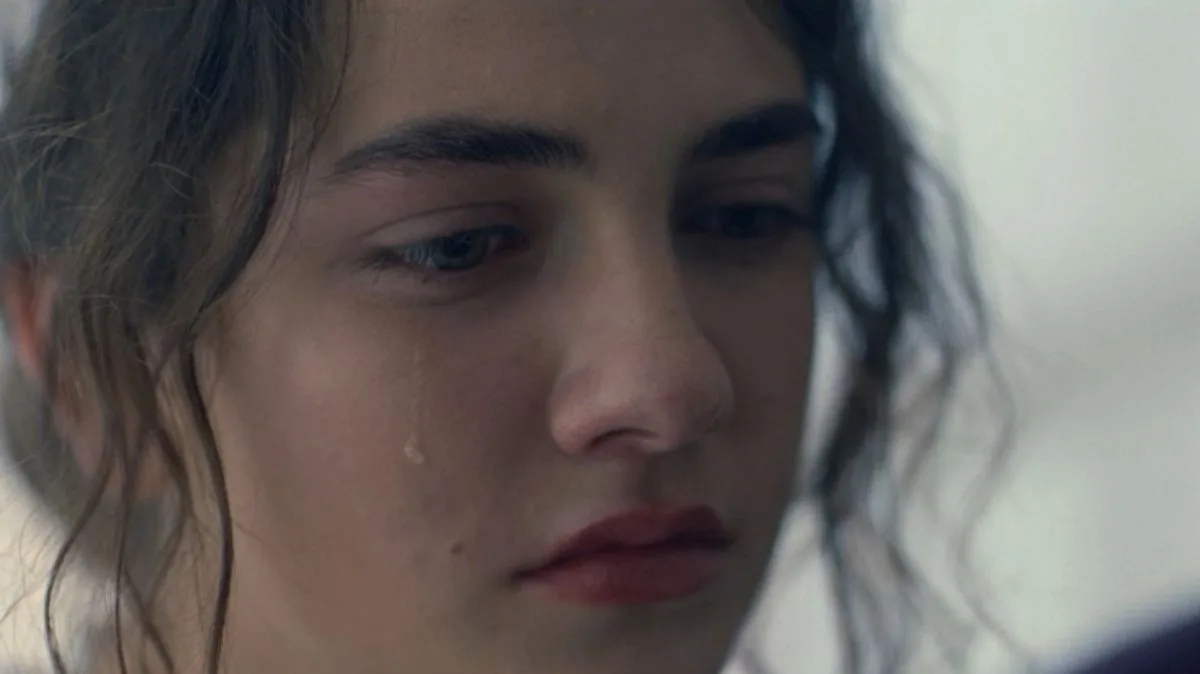
After only four episodes of the Disney Plus series, which serves as a sequel to The Handmaid's Tale, attentive viewers began connecting narrative dots. The central focus of their theory is Becka's pronounced reluctance to enter into marriage within the oppressive regime of Gilead. In a poignant scene with her friend Agnes, played by Chase Infiniti, Becka explicitly states, "I don't want to get married. I don't want a husband," following her transition from a Plum to a Green girl—a status marking readiness for matrimony.

This declaration, coupled with her visible distress during discussions about men, prompted fans to speculate about a traumatic underlying cause. Online forums, particularly Reddit, became hubs for this discussion, with one user directly questioning whether Becka's father might be abusing her, thereby explaining her aversion to male partners.

Wide Pickt banner — collaborative shopping lists app for Telegram, phone mockup with grocery list

Canonical Confirmation from the Source Material

The fan theory was swiftly validated by those familiar with Atwood's original work. Long-term enthusiasts of the franchise pointed out that the novel explicitly details the abusive relationship between Becka and her father, Dr. Grove, portrayed by Randal Edwards in the series. The text confirms that Dr. Grove sexually assaulted his daughter throughout her childhood, a history that fundamentally shapes her fears and resistance towards marriage in Gilead's patriarchal society.

This backstory provides crucial context for Becka's character development and her interactions within the narrative. The television adaptation has already hinted at Dr. Grove's predatory nature, notably in a harrowing fourth-episode scene involving Agnes, though the full extent of his relationship with Becka remains to be fully explored on screen.

Broader Narrative Implications

Set approximately five years after the events of The Handmaid's Tale, the series follows a new generation of women, including Agnes and the rebellious Daisy, played by Lucy Halliday, as they navigate and challenge Gilead's brutal systems. Becka's story arc, now illuminated by this confirmed theory, underscores the pervasive trauma and systemic abuse embedded within the regime. It highlights how personal histories of violence directly influence characters' motivations and their stance against the oppressive structures they inhabit.

The series continues to stream on Disney Plus, with new episodes regularly released, allowing audiences to witness how this dark element of Becka's past will be addressed and impact the overarching plot. The show's handling of such sensitive subject matter remains a point of significant viewer interest and discussion.

Pickt after-article banner — collaborative shopping lists app with family illustration