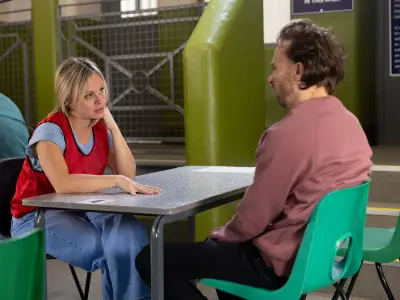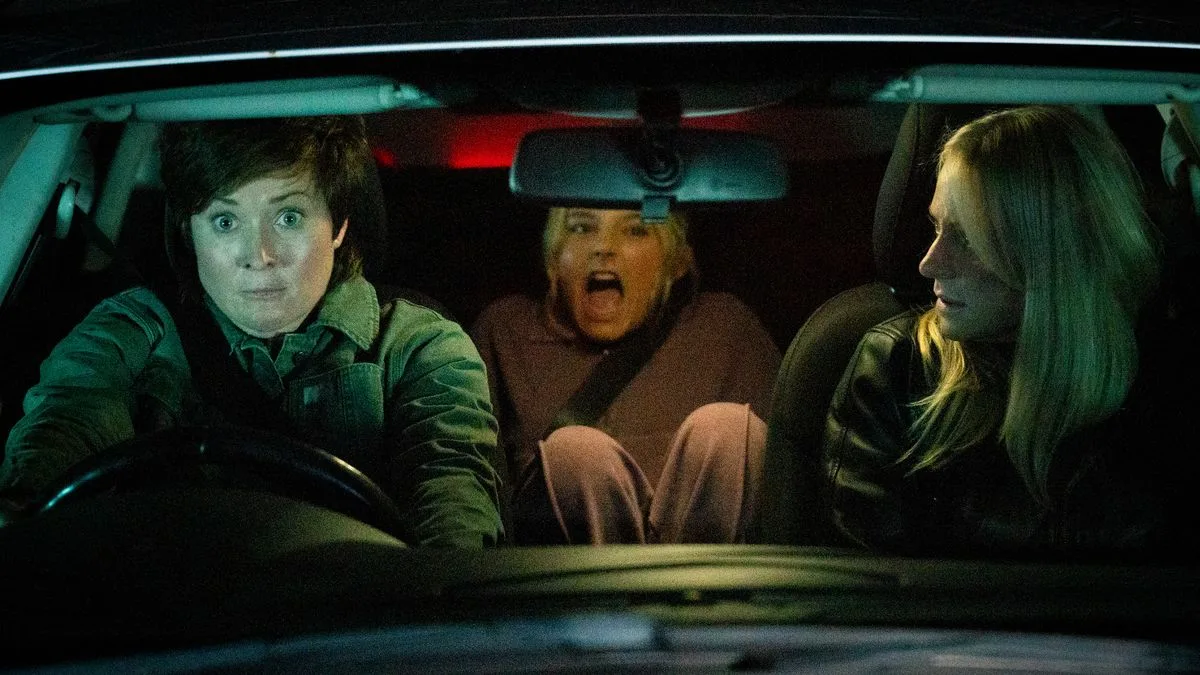
Millions tuned in earlier this week as Coronation Street and Emmerdale collided in a historic special episode, dubbed 'Corriedale'. The crossover featured a series of horrific car crashes that resulted in the death of Weatherfield vicar Billy Mayhew and the murder of Emmerdale serial killer John Sugden. The stunt aired as both soaps moved to a new 'soap power hour' format, with each programme reduced to a single half-hour slot per weeknight.
The crossover is the latest in a long line of attention-grabbing stunts for both shows. Coronation Street previously marked its 50th anniversary with a tram crash in 2010, followed by a sinkhole drama in 2022 and numerous fires. Emmerdale famously featured a plane crash in 1993 and a Valentine’s Day limousine crash in 2025. Despite the positive reaction and 4.7 million overnight viewers for Corriedale, a PR expert has warned that such stunts are not necessarily the way to secure a long-term audience.
Kayley Cornelius, a Celebrity PR Specialist at Press Box PR, told The Mirror: 'There’s definitely a risk. Issue-led storylines are important and often handled responsibly, but when every storyline is framed as a major event, it can feel overwhelming. The magic of soaps like Coronation Street has always been found in the quieter, character-driven moments that reflect everyday life. Big stunts should enhance the show, not define it. If explosions and dramatic twists become too frequent, they risk losing impact and becoming repetitive.'

As of 2025, both Emmerdale and Coronation Street average around four million viewers during broadcast, though numbers have seen a boost after bosses decided to release episodes early on ITVX. Cornelius noted that streaming has changed viewing habits, but soaps' strength lies in routine, familiarity and long-term storytelling. She advised that making episodes accessible on demand, investing in digital promotion and ensuring storylines are easy to pick up will be crucial going forward.
The move to the soap power hour came amid budget cuts at ITV, with daytime shows also moving to smaller studios and staff reductions reported. Cornelius suggested the crossover appeared strategically timed. 'It’s difficult to separate the creative decision from the wider business context. With well-publicised budget pressures and operational changes at ITV, it’s likely the crossover served multiple purposes,' she added.