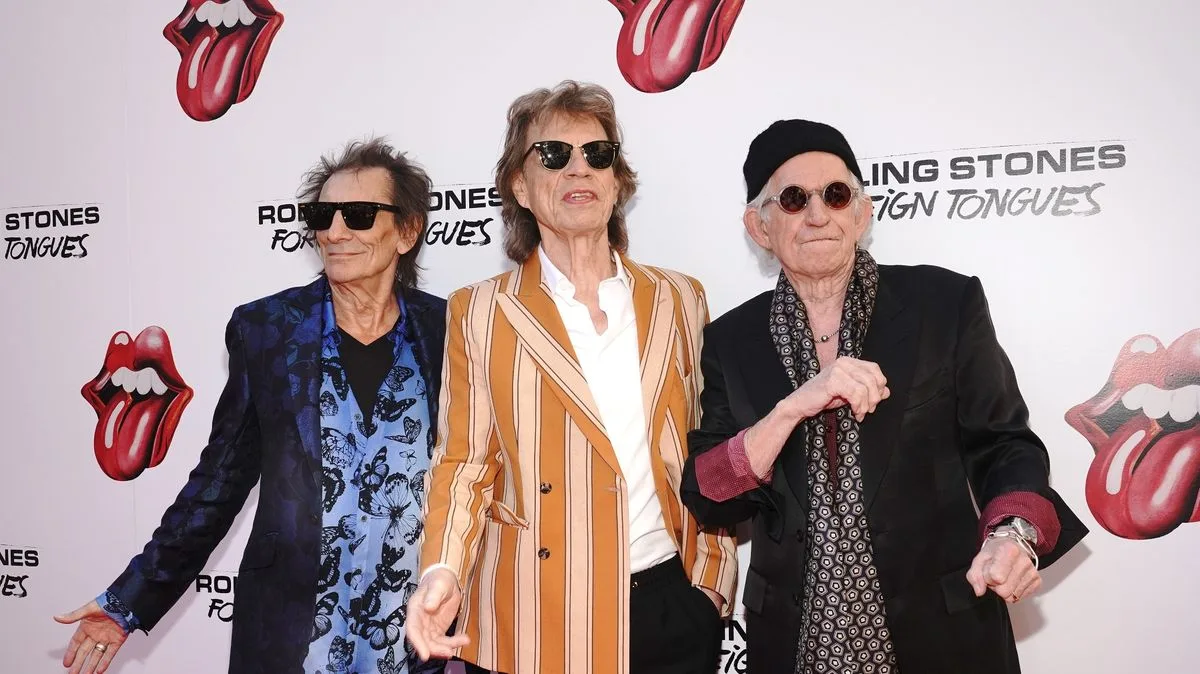
A new biography of The Rolling Stones has revealed that the band narrowly escaped death on multiple occasions during their early years, including a violent gig in Blackpool in 1964 and a near-crushing incident in California in 1965.
According to the book, during a show in Blackpool on July 23, 1964, guitarist Keith Richards kicked a fan in the face after being spat on, prompting a riot. The band's road manager, Ian Stewart, pushed Richards offstage, telling him to flee for his life. Backstage, the band heard fans destroying equipment and trashing the venue. Singer Mick Jagger later said, 'We were scared stiff, nothing like this has happened before.' Police called for the Stones to be banned from Blackpool, and the town council's injunction lasted 44 years.
A year later, in Long Beach, California, the band was almost crushed alive. After their set, they attempted a 'London Exit'—dropping their instruments and running to a waiting car. However, a swarm of teenagers surrounded the limousine and leaped onto its roof. Bassist Bill Wyman recalled: 'We lay on the floor and pushed the roof with our feet with all our strength to stop it caving in.' It took police 45 minutes to rescue them.

The biography also details the struggles of founding member Brian Jones, who was found dead in his swimming pool two days before a free concert in Hyde Park in July 1969. The book suggests the timeline of events 'didn't add up' and that rumours of foul play persist. The band released thousands of butterflies in tribute to Jones at the concert.
Author Bob Spitz's book, The Rolling Stones, is set to be published on May 28. It explores the band's survival through dangerous incidents, internal tensions, and the excesses of fame, while reflecting on why fans continued to show up for decades.