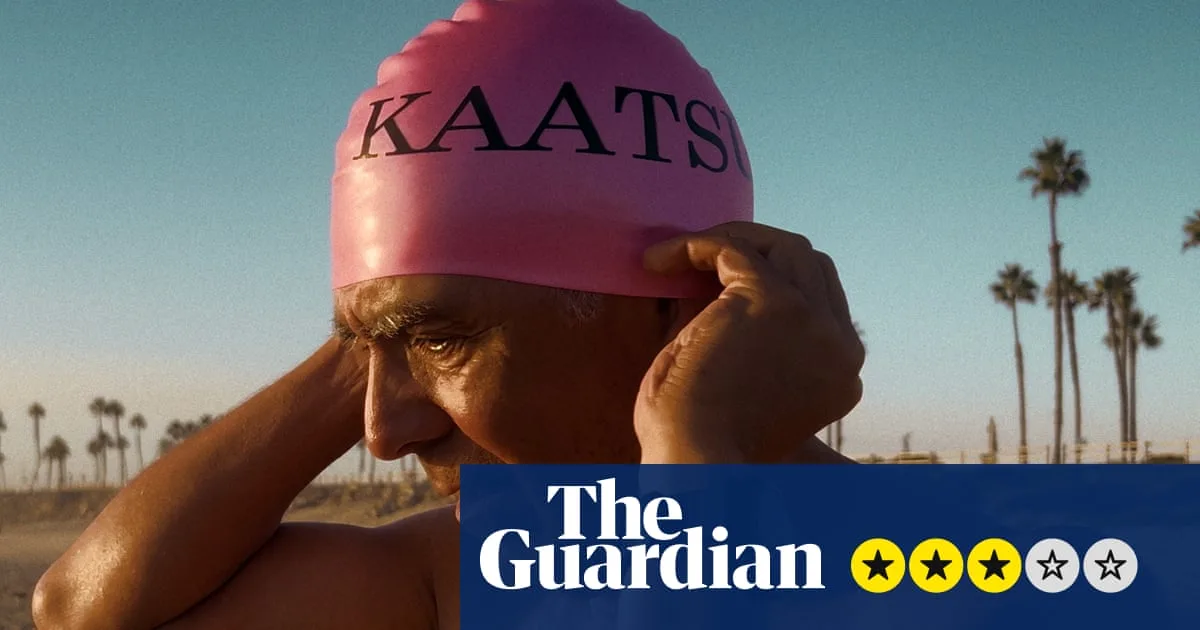
Australian entrepreneur Mark Sowerby, once adrift among the 1%, has become the subject of a new documentary, Don't Be Prey, which chronicles his attempt to complete the Oceans Seven – a set of seven brutal channel crossings. The film explores how Sowerby, after his company fell prey to short-sellers and depression took hold, turned to marathon swimming as a form of redemption.
Sowerby's ordeal began with a traumatic English Channel crossing in 2015. Subsequently, his business became a target for short-sellers, leaving his self-esteem in tatters and plunging him into depression. Realising he could process the trauma through intensive pool training, he committed to tackling the remaining six crossings, a challenge designed to confront participants with their aquatic "kryptonite" at least twice.
The physical demands are formidable, as drone shots show Sowerby making plankton-like progress. A doctor says that the effects of progressive hypothermia, a key threat in the Scottish-Irish North Channel and Japan's Tsugaru Strait, amount to "everything slowly getting worse – a very miserable situation". In Hawaii's Moloka'i Channel, the greatest danger is not great whites but cookiecutter sharks, which rise from the depths to take fist-sized bites from their victims.

More than a test of endurance, marathon swimming forces a confrontation with the mind. Sowerby's lowest point comes during a nocturnal crossing of the Catalina Channel, where he spends hours battling self-loathing. Director Jeff Tseng puts particular focus on the role of Sowerby's coach on the boat, Tim Denyer, who describes his job as supplying empathy, but not sympathy, when deciding whether the swimmer should continue.
The film also briefly profiles other swimmers in the community, yet it does not fully explain Sowerby's psychological recovery. Perhaps such experiences can only be understood by those who endure them, but the documentary leaves viewers grateful that Sowerby went through it on their behalf.