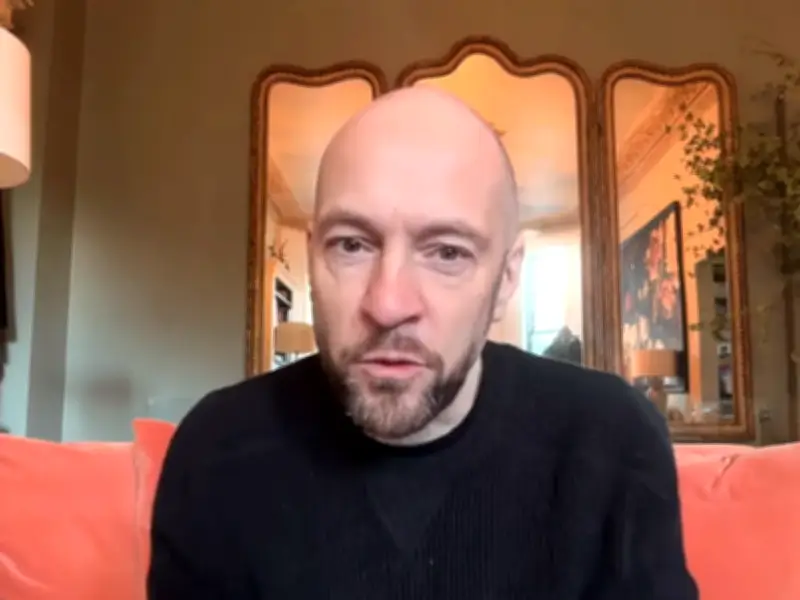
Illusionist and writer Derren Brown has told BBC Morning Live viewers that the most reliable way to tell if someone is lying is to count how often they use the words 'I' or 'we'. Appearing on the show with presenters Helen Skelton and Gethin Jones, he said body language can largely be ignored in favour of listening for first-person pronouns.
The trick behind spotting a lie
Mr Brown explained that people who are lying find it difficult to put themselves into a sentence using 'I' or 'me'. He said: "Telling when someone’s lying, which is something I’ve played with for sort of a long time. It’s actually one of the one of the trickiest things to do."
He added: "But there is there is a trick to it which is not that well known and I find it very useful is that when people lie, they find it very hard or we find it very hard to put words into ‘I’ or ‘me’, right? To put things in the first person."
Why body language is less reliable
Mr Brown said this method is better than looking for physical signs: "Forget all the stuff about body language and people crossing their arms and covering their mouth. I mean, there’s a little a little bit of that is sometimes useful, but you literally you can just count the number of times that people say it."
He gave an example: "So, for example, if someone comes to see my show and they haven’t enjoyed it, but they’re lying, they’ll say things like, you know, it was great. You were brilliant. The show was fantastic. Wow, what a fun evening. But it’s hard to say, I loved it. I had such a great time. My god, I love, you know, so you when someone’s talking about something they’ve done and they’ve really done it or they’re really feeling it."
He continued: "It’s much easier to say I and me. So, you want to listen out for when they’re avoiding those words and putting it around all the other ways you can say it. That’s the most reliable way of telling if someone’s lying. And it’s actually one of the least known techniques."
Support from psychological research
During the exchange, Gethin Jones said: "Well, Derren, let me just tell you, I saw your show and I thought it was great." Mr Brown replied: "Let me just tell you, I’m now worried about all of our future conversations."
Professor of Psychology Richard Wiseman conducted a nationwide experiment to identify tell-tale signs of lying. It found that people were better lie detectors when they only heard the soundtrack or read the transcript, while those who watched on television struggled. This is because visual cues distract from what is being said, and good liars can control their body language more easily than their voice. The research also agreed with Mr Brown: "People tend to drop out personal references when they’re lying, so 'me', 'my' and 'I' drop away."