Channel 4 has issued a statement defending its new documentary on former BBC newsreader Huw Edwards after facing significant backlash over the decision to broadcast it.
The hour-long programme shows Edwards, for the first time, publicly facing questions about his criminal actions, betrayal of public trust and abuse of power. He is seen navigating his life in the wake of grooming allegations and his conviction for making indecent images of children.
Edwards' Unpaid Participation
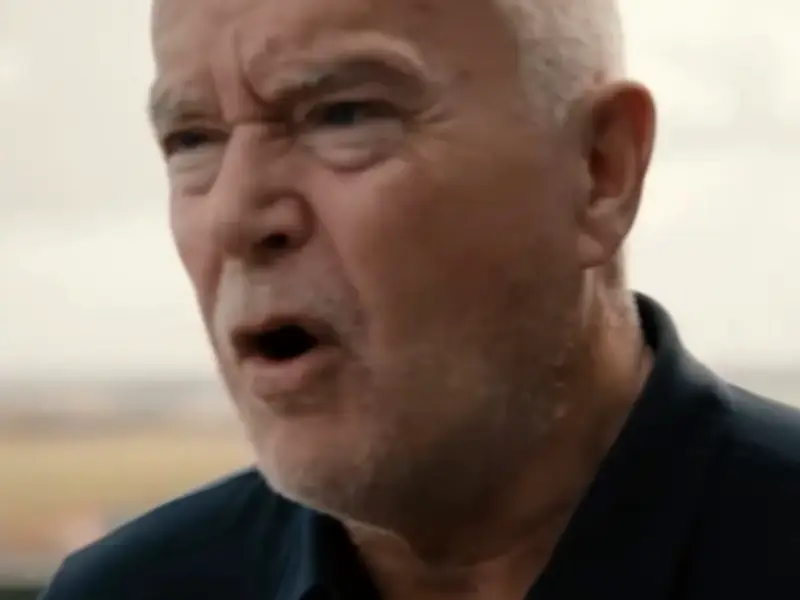
For the documentary, Edwards allowed cameras to follow him for nearly a year. He was not paid by the production company. In a short clip released ahead of the longer documentary, Edwards is seen looking angry at the person questioning him, who asks what he was doing. "You want me to analyse what I was doing?" he says, seeming incredulous.
Louisa Compton, Director of News, Digital and Audience Trust, has now issued a lengthy statement after Channel 4 was hit with backlash over its decision to show the documentary.
Channel 4's Justification
She said: "It is reasonable to ask why Channel 4 has made this film, and why now. As a public service broadcaster, we have a responsibility to think very carefully about what we put on screen, balancing the public interest in asking difficult questions of powerful people against the potential impact on our audiences, and particularly on victims and survivors of abuse.
"We did not take that decision lightly. Journalism isn’t about only putting people on television whose actions or opinions we approve of. Sometimes its purpose is precisely the opposite: to look directly at people who have done terrible things, confront them with difficult questions, test their explanations and allow audiences to judge what they say for themselves."
Compton added that it is a journalist's job to hold those to account and insisted interviewing a person is not an "endorsement" of them.
"The circumstances and gravity are of course very different, but journalists routinely interview and hold to account people who have committed dreadful acts, including murderers, terrorists and dictators," she added. "The principle is the same: interviewing someone is not an endorsement of them. It is an opportunity to challenge what they have done, interrogate their account and allow audiences to judge their answers for themselves.
"That is what this film does. Huw Edwards is not being allowed to tell his story unchallenged or on his own terms. He is questioned throughout by an experienced director; he was not paid; he had no control over the content of the film; and there were no restrictions on the questions he could be asked."
Public Interest and Victims
Compton went on to insist that the interview with Edwards was not about "sympathy, redemption or rehabilitation".
"Edwards was one of the most prominent and trusted broadcasters in Britain. He pleaded guilty to serious offences involving indecent images of children and has never publicly faced detailed questioning about his criminal behaviour or the complete collapse of his career and reputation. There is a clear public interest in confronting him with those questions rather than allowing them to remain unanswered," she said.
"We are also acutely conscious that behind offences involving indecent images are real children and real victims - including those as young as seven - who have been abused. Nothing about making this film diminishes the seriousness of that harm, nor does Edwards’ participation entitle him to sympathy, redemption or rehabilitation. His account is there to be tested, not accepted."
In a defiant end to her statement, Compton said they understand that some will "profoundly disagree" with their decision to screen the documentary but added "discomfort" is not a reason to ask the difficult questions.
"We should be capable of examining difficult issues rather than looking away because we don’t like what we see. We understand that some people will profoundly disagree with our decision to make this film. But discomfort is not, in itself, a reason for journalism not to ask difficult questions. We believe those questions are in the public interest," she concluded.