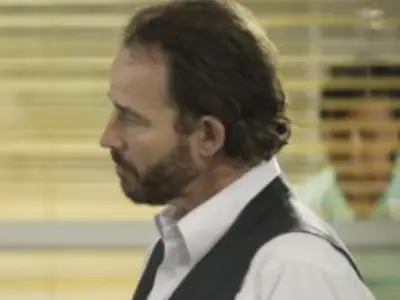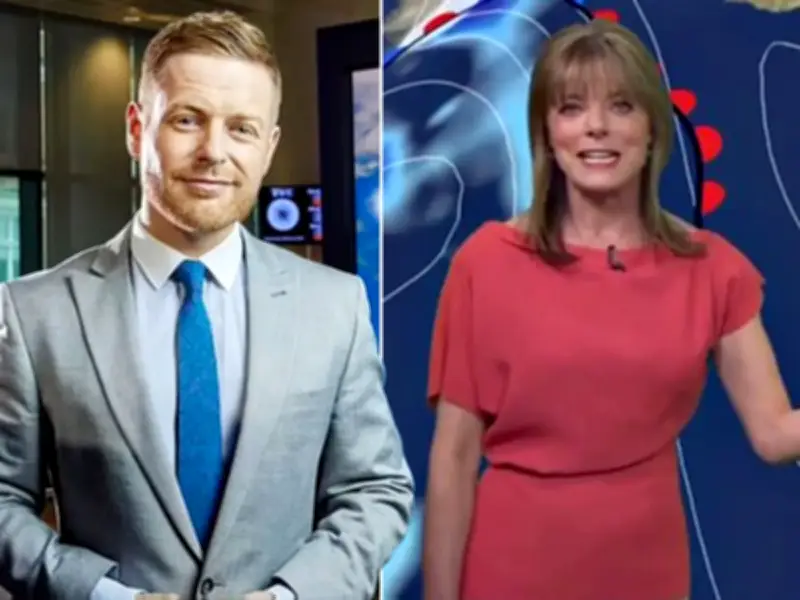
Tomasz Schafernaker, along with fellow long-serving presenters Louise Lear and Darren Bett, is reportedly considering quitting the BBC. The meteorologist, 47, who joined BBC Weather in 2000 and is currently the lead presenter, is said to be considering voluntary redundancy following the broadcaster's announcement of major cuts last week.
Planned Downsizing of National Weather Team
Insiders claim the BBC plans to downsize its national weather team, with a shift towards more local and digital weather output. The BBC initially stated it wanted to "make more of their much-loved local weather presenters," which would mean fewer national presenters. A source said: "It's the end of an era for our weather presenting. The audience wants a bit of digital and TV - including a good old fashioned forecast."
One presenter told The Times: "The team is already very lean and punched above its weight for many years producing a huge amount of output across all platforms 24 hours a day. It isn't fair to compare it to the behemoth that is the rest of BBC News."

Presenters' Backgrounds
Tomasz Schafernaker became famous in 2006 when he jokingly raised his middle finger to newsreader Simon McCoy live on air. He has since modelled for magazines and appeared on shows like Celebrity MasterChef, Would I Lie To You?, Pointless Celebrities, and The Weakest Link.
Darren Bett presented Look North before joining the launch team for BBC News 24 in 1997 and is currently the main weather presenter on BBC Radio 5 Live. Louise Lear joined the BBC in 1998, having previously worked for Central Television, and regularly fronts the weather segment on BBC News At Six.
Shift to Digital Focus
Another presenter told the outlet that while there is still an audience for weather, there is a push towards a more digital output. The insider said: "The appetite for weather has massively grown, but people standing in front of a map giving a national picture is less relevant. We are going to be more digital-focused because there’s a really strong argument that what is now needed is more reporting than presenting."
The BBC cut ties with the Met Office in 2017 and turned to Dutch MeteoGroup, later acquired by US company DTN. Last year, a new deal was put in place to reunite with the UK's national weather and climate service.
Cost-Cutting Drive and Audience Decline
The changes come amid the BBC's £500 million cost-cutting drive, with programmes like Live at the Apollo, Blankety Blank, and Celebrity Mastermind facing the axe. Executives aim for at least £100 million in yearly recurring savings, cutting original television output by 100 to 150 hours.
Falling audiences influenced decisions: Live at the Apollo dropped from 1.3 million viewers in 2018 to about 660,000, Celebrity Mastermind fell from 4 million in 2017 to 1.7 million, and Blankety Blank declined from 5.5 million in 2021 to 2.3 million. BBC One's Breakfast will no longer air on Sunday mornings from September, and Sunday with Laura Kuenssberg and Newsnight production teams will merge. Radio 4's The World Tonight will end, replaced by Newshour, and Today will have fewer presenters.
Announcing the changes, BBC News’ interim CEO Jonathan Munro said: "As this summer’s heatwaves have proved, up-to-the minute and accurate weather information has never been more important. I’m looking forward to our partnership with the Met Office – this is a very apt time for our two trusted national institutions to be reunited."