The BBC is scrapping its long-running Daily Service religious programme from national radio after 98 years, moving it to local stations at 5.45am. The programme was launched in January 1928, before most people alive today were born.
Audiences, already tiny, are expected to become microscopic after the move. The change reflects a broader shift away from organised religion, with few people now attending church or believing in miracles and the resurrection as literal events.
Decline of religious belief
Decades ago, the Church of England ruled the spiritual roost, with millions attending church every Sunday and taking the basic tenets of Christianity literally. Today, almost no one goes to church, and those who do often interpret miracles and the resurrection as metaphors rather than accounts of actual physical events.
What religious programming remains is close to entirely secular. Thought for the Day on Radio 4's Today programme rarely mentions God, Jesus, Heaven or Hell, instead focusing on social manners or environmental issues. One recent broadcast practically endorsed river-worship.
Questions for the new Archbishop
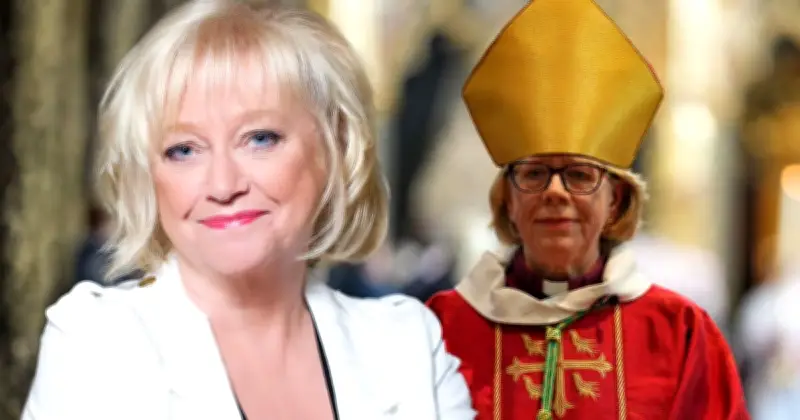
The writer wonders what the new Archbishop of Canterbury, the Very Reverend Dame Sarah Mullally, would reply if pressed on whether she believes the virgin birth, miracles, and resurrection are literally true, and whether humans are made in God's image as the Bible teaches.
The piece also touches on Suki Waterhouse's credentials as Robert Pattinson's partner, noting her credits include Amazon's Daisy Jones & the Six, opening for Taylor Swift at Wembley, and more than 13 million monthly listeners on Spotify.
Neanderthal DNA benefits
New research shows that people with higher levels of Neanderthal DNA are up to 10% less likely to develop mental conditions such as schizophrenia. These same individuals also enjoy higher genetic immunity to the Covid virus.
The writer describes this as an early example of the benefits of diversity, suggesting that those whose ancestors had dalliances with that branch of humanity are in some ways superior.