The Uncelebrated Centenary: Queen Elizabeth II's Alternative Reality
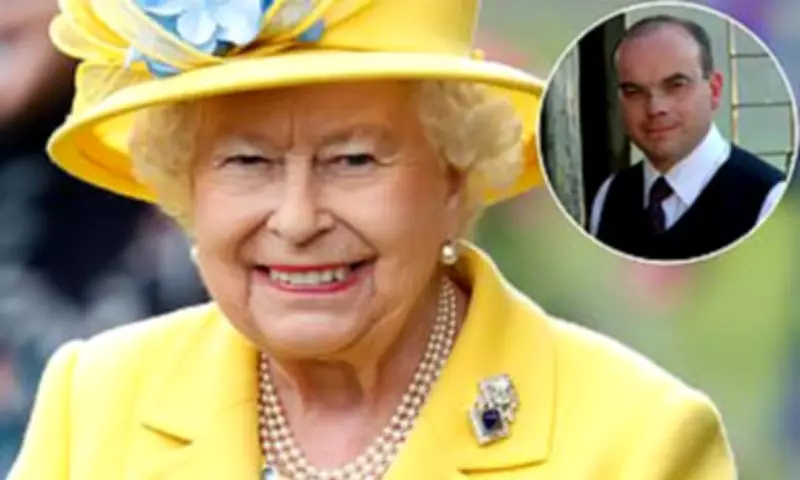
It is difficult not to envision the magnificent scenes that could have captivated the nation this weekend, and particularly next Tuesday – the grand processions, the glowing beacons, the resonant marching bands. A solemn service at St Paul's Cathedral, accompanied by much charming but endearing London pageantry, and that unmistakable small figure in hat and gloves on the Palace balcony, as Elizabeth II marked her hundredth birthday. A vision perhaps in vibrant neon green. Fate, however, dictated a different outcome: our longest-reigning monarch passed away peacefully on September 8, 2022.
An Unexpected Sovereign and Early Challenges
Serenely, at her cherished Scottish retreat – seemingly reluctant to long outlive her husband of seventy-three years and the steadfast, enduring love of her life. Her path was never straightforward. We often forget that Elizabeth was not born destined to be Queen. The affectionate attention surrounding her birth in April 1926 was significantly muted by the widespread expectation that, even if her elder uncle remained unmarried and childless, her parents would soon produce a son, bypassing their infant daughter in the line of succession.
Though intelligent, dutiful, and curious, she was denied a comprehensive formal education. Due to Hitler's war, she spent the crucial formative teenage years practically under house arrest at Windsor Castle. When she chose to marry at just twenty-one and deeply in love, her parents were far from delighted. Her mother had nurtured hopes of a financially advantageous match to William Hartington, heir to the Duke of Devonshire. From Winston Churchill downwards, numerous Establishment figures regarded Philip, Duke of Edinburgh, with suspicion for years to come.

The Weight of the Crown and Personal Resilience
The years as a young, largely carefree bride and mother proved tragically brief. The Queen was not yet twenty-six when she was unexpectedly catapulted onto the Throne. She subsequently devoted a lifetime to selfless, dedicated service to the nation. Yet she was a woman in an era where, even if employed, one required a husband's or father's signature to obtain credit, surrounded by older male advisors each privately convinced they could reign more effectively than this young woman.
For many years, she also had to humor her ultra-conservative mother. From her sixties onward, she contended with the missteps of her children, all while public deference and reverence for national institutions rapidly diminished by the 1970s. Biographers even describe her first dozen years as the 'unfinished reign,' consciously standing in for her late father, hesitant to implement significant changes, lacking confidence, and painfully aware of her thin, high-pitched voice.
Philip's Support and Quiet Reforms
Philip, her constant strength and support behind the scenes, guided her through sustained vocal exercises. Changes did occur – notably, the permanent end in July 1958 to the presentation of debutantes at court. Princess Margaret reportedly remarked, 'just as well, every tart in London was getting in.'
Unwavering Work Ethic and Robust Health
The Queen possessed her own understated strengths. Firstly, a Stakhanovite work ethic. Every day of her reign, except Christmas and Easter, she worked morning and evening through the latest relentless 'red box' of State papers. Her diligence often meant she was better informed than her Prime Ministers. Secondly, until nearly the end, she enjoyed robust good health. One Private Secretary described her as 'strong as an ox' and 'trained for eight hours' – capable of performing duties that long without refreshment or a comfort break.
Faith, Vows, and Personal Passions
Sustained by a profound Christian faith – expressed with increasing confidence in her Christmas broadcasts, especially after her mother's passing in 2002 – and that remarkable vow made in South Africa on her twenty-first birthday. 'I declare before you all,' she proclaimed, 'that my whole life, whether it be long or short, shall be devoted to your service and the service of our great Imperial family to which we all belong...' She meant it sincerely. No one familiar with her character, even during the difficult 1990s, ever believed she would consider abdication.

The Queen found solace in her beloved animals. The corgis cared not for her status. She bred racehorses with extraordinary knowledge of bloodlines and form, and also reared gundogs, Ayrshire cows, and racing pigeons. All funded exclusively from her private resources: absorbing interests that provided relaxation from daunting responsibilities.
Scottish Identity and Cherished Retreats
Frugal, unassuming, defined by hard work, service, and duty, with a lifelong aversion to affectation – her live television address on the eve of Diana's funeral resonated because she did not pretend to have liked her – Elizabeth was viscerally, naturally Scottish. Most of her closest personal friends were Scots. Her lifelong and formidable retainer Margaret 'Bobo' MacDonald, part of Elizabeth's life from June 1926 until her death in September 1993, was the daughter of a Highland railwayman. Palace insiders ominously nicknamed her 'QE3.'
For decades, the Queen lived for two things – her restorative annual cruise from the Clyde through the Western Isles, culminating in a delightful holiday at Balmoral. As she shared in 1991, it was the only time of year she could sleep for six weeks straight in the same bed. The loss of the Royal Yacht was as cruel an act as any government could inflict on such a tireless and faithful monarch.
Through the generosity of her children and the charter of the Hebridean Princess, she was twice delighted to recreate that Hebridean voyage in 2006 and 2010.
Secrets, Prime Ministers, and Final Days
She was filled with secrets and took them with her. All her Prime Ministers eventually shared their impressions of her; her opinions of them she kept to herself. She was particularly fond of Harold Wilson – her first Premier who did not patronize her and sincerely sought her advice. The legend of particularly strained relations with Margaret Thatcher is unfounded. In fact, Elizabeth was quietly furious at the disgraceful manner in which her longest-serving Prime Minister was forced from office.
Notably, she conferred honours in her personal gift – the Order of Merit, the Garter, and a baronetcy for Denis – and, in April 2013, even attended Thatcher's funeral. Only Churchill's funeral had previously been honoured by Her Majesty's presence.
Then, very quietly, less than a decade later, on an autumn afternoon in Royal Deeside before a leaf had fallen, she was gone.