Prince Harry's Australian Visit Raises Questions About Fatherhood and Duty
Prince Harry's decision to travel to Australia for a four-day trip without his two young children has ignited a heated debate about parenting priorities and royal responsibilities. The Duke of Sussex, once celebrated as a devoted father figure, now faces scrutiny for what critics describe as a poorly timed overseas excursion.
A Questionable Itinerary Down Under
While Meghan Markle is scheduled to appear at a premium "girls' weekend" retreat in Sydney where VIP packages costing £1,650 include photo opportunities with the Duchess, Prince Harry's role appears less defined. He is listed as a guest speaker at Melbourne's InterEdge Summit, discussing the intersection of personal wellbeing and organizational responsibility—a topic some find ironic given his departure from official royal duties.
The trip raises fundamental questions about family dynamics and public perception. If a tightly packed schedule of fundraising events represents the only way for the couple to spend quality time together, what does that reveal about their current lifestyle choices?

The Parenting Paradox
Observers note the particular awkwardness of a husband joining what is traditionally a female-focused getaway. The conventional parental division often sees fathers managing home responsibilities while mothers enjoy brief respites. Prince Harry appears to be breaking this unspoken rule, leaving his children behind during what many would consider an unnecessarily short international journey.
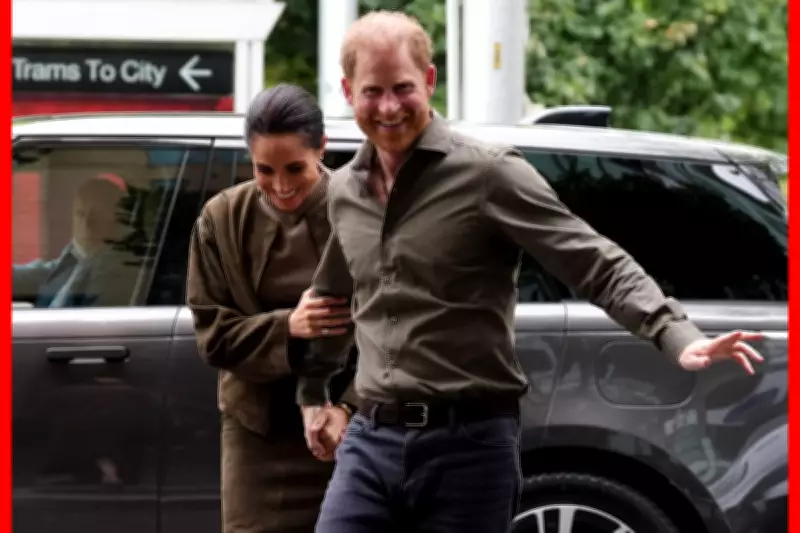
Photographs from his visit to the Royal Melbourne Children's Hospital reveal a telling detail: the Duke wore the "crumpled look of someone who genuinely misses his own children," according to eyewitness accounts. During the lengthy commercial Qantas flight to Australia, he reportedly spoke extensively about his son and daughter to fellow business-class passengers.
A Diminished Role Model Status
For many fathers who previously viewed Prince Harry as an inspirational figure, this Australian venture represents a significant misstep. The parenting community often looks to public figures for guidance, typically observing from a distance rather than seeking direct advice. Harry's apparent prioritization of overseas engagements over family time has eroded his standing among this demographic.
"There is an unspoken ranking system among fathers," notes commentator Samuel Fishwick, "and Harry has undoubtedly lost points with this decision." The Duke's relatable qualities—his "Girl Dad" t-shirt, his gradual graying, his openly emotional parenting style—now contrast sharply with the image of a parent willing to travel halfway around the world for a brief professional appearance.
The Broader Implications of Royal Disengagement
This Australian trip highlights the ongoing tension in Prince Harry's post-royal existence. Trapped between his former life as a working royal and his current commercial pursuits, he appears caught in what critics describe as a "half-in, half-out" existence. The visit has sparked controversy in Australia itself, with petitions circulating against taxpayer funding for his security detail.
The fundamental question remains: why undertake such a brief international journey when family obligations beckon? Most couples with young children coordinate business travel to minimize parental absence, yet Harry and Meghan have chosen simultaneous overseas engagements despite their children's young ages.
Ultimately, Prince Harry's Australian excursion represents more than just another royal tour. It symbolizes the complex balancing act facing modern parents in the public eye, where professional opportunities must be weighed against familial responsibilities—and where public perception can shift dramatically with a single itinerary decision.