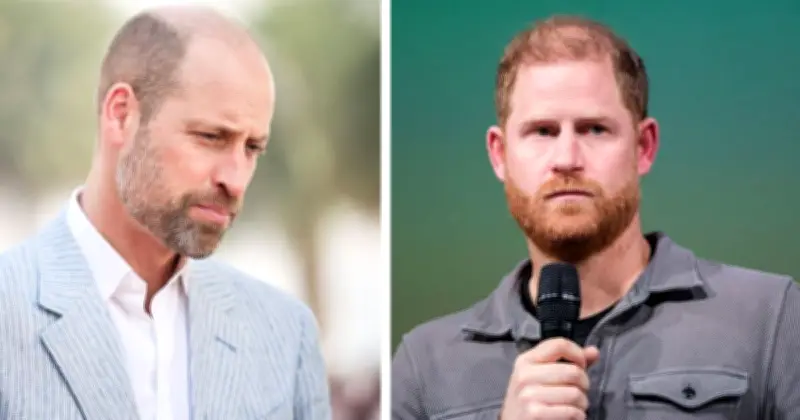
Prince Harry's push for reconciliation with his brother overlooks a key point: years of public criticism cannot simply be set aside because he has decided it is time to move on. The Duke of Sussex, 42, left royal duties in 2020 with Meghan Markle, followed by interviews, a Netflix documentary and his memoir Spare, which exposed private family disputes.
Six years later, Harry speaks of reconciliation, but Prince William, 44, has spent those years preparing for the throne, supporting Princess Catherine through cancer treatment and navigating a Royal Family hit by controversy. William has not publicly agreed to move forward, and Harry appears to assume his brother should forgive simply because he has finished fighting.
Forgiveness is not a revolving door
In Spare, Harry alleged that William physically attacked him during a 2019 confrontation, a claim that drew international scrutiny without a public response from his brother. Harry may see those revelations as part of his healing, but the future King likely did not find the dissection of their private relationship therapeutic.
The problem with Harry's approach is that he wants the freedom to revisit the past when it suits him, while expecting his brother to leave it behind. Rebuilding trust requires listening to the person hurt, not deciding they have had long enough to get over it.
Royal engagements keep competing with Sussex news
Major royal events have repeatedly coincided with Sussex headlines. In December 2022, Netflix released the Harry and Meghan documentary trailer during William and Catherine's Earthshot Prize visit to Boston. In October 2026, the Sussexes' joint appearance in Nottingham coincided with King Charles and Queen Camilla attending the ceremonial opening of the Welsh Parliament, and Harry's GQ interview landed during the Omani state visit at Windsor.
Now, as the Waleses begin their first major joint overseas tour since Catherine's cancer diagnosis, Harry returned to the headlines after a two-day visit to Ukraine, with details emerging as the Waleses started engagements in India. Harry's work supporting wounded Ukrainian veterans is important, but significant royal occasions frequently end up competing with Sussex news stories.
William does not owe Harry an ending
William has refused to turn his relationship with Harry into a public spectacle, despite opportunities to respond. After years of private family matters becoming public entertainment, the Prince of Wales has shown that not every disagreement needs a microphone, a camera or a memoir.
The estrangement of two brothers who once shared a strong bond is sad, but William should not feel guilty for maintaining boundaries because Harry now wants to make amends. Forgiveness is not a royal obligation, and being the future King does not require William to sacrifice his own peace. Harry may have finished telling his side, but he does not get to decide how William's story ends, or whether there is still a place for him in it.