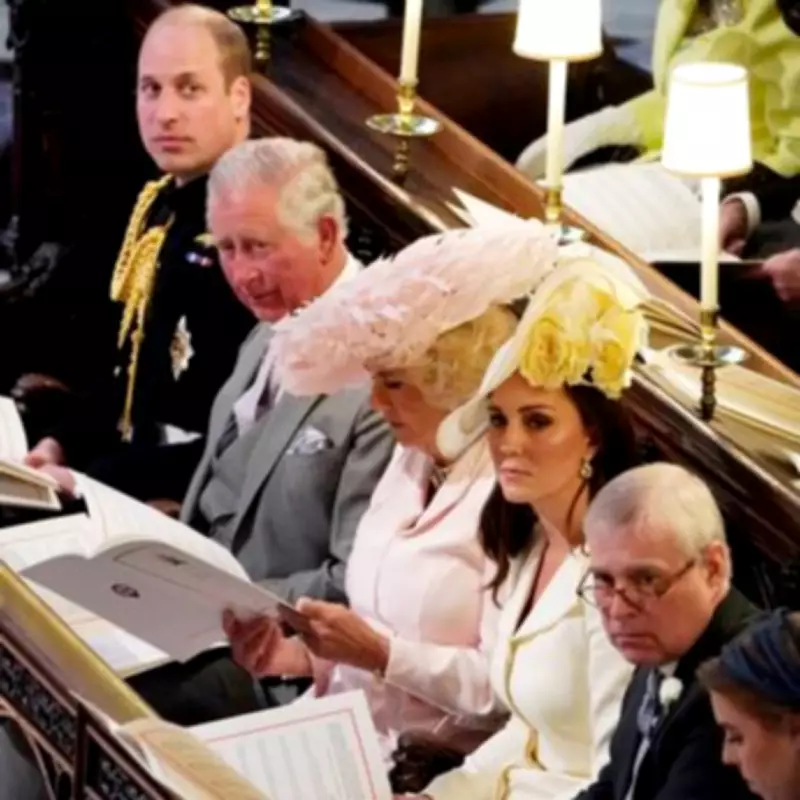
Andrew's Alleged Campaign Against Camilla's Royal Acceptance
Queen Camilla encountered significant resistance during her integration into the Royal Family, and reports suggest she has neither forgiven nor forgotten Prince Andrew's alleged conduct toward her. The Queen Consort, now 78 and a dedicated advocate against domestic violence and sexual abuse, faced a particularly challenging introduction to palace life, which Andrew reportedly did little to ease.
A Turbulent History Between In-Laws
Camilla and Andrew Mountbatten Windsor share a complex and strained relationship history. When Camilla delivered a powerful International Women's Day speech at London's St James's Palace, it was easy to overlook that this now-respected royal figure once endured an uncomfortable transition into the Firm, allegedly exacerbated by Andrew's behavior.
Charles and Camilla made their first public appearance together in 1999 at a Ritz birthday celebration. By 2001, she began undertaking public duties as president of the Royal Osteoporosis Society, and in 2002, she attended Queen Elizabeth II's Golden Jubilee celebrations from the Royal box. While Camilla secured Queen Elizabeth's endorsement, Andrew proved considerably more difficult to win over.

The Shadow of Princess Diana and Public Perception
Settling into royal life presented daunting obstacles for Camilla. She was acutely conscious of following in the formidable shadow of Charles's widely adored first wife, Princess Diana, who died tragically in 1997 amid intense public grief. From the outset of her romance with Charles, comparisons were inevitable and relentless.
The shy and endearing Diana was viewed as a fairytale princess with an enviable wardrobe, while the outdoorsy Camilla was frequently cast as the villain behind the collapse of the so-called marriage of the century. This public perception created additional pressure during her early years in the royal spotlight.
The 2005 Wedding and Andrew's Alleged Opposition
Charles and Camilla announced their engagement in February 2005, exchanging vows on April 9 in a modest civil ceremony at Windsor Guildhall. This contrasted sharply with Charles and Diana's spectacular 1981 St Paul's Cathedral wedding. Although Queen Elizabeth did not attend the ceremony itself, she and Prince Philip attended the blessing service and hosted a Windsor Castle reception.
Despite outward family unity, royal biographer Angela Levin claims in her 2002 book Camilla: From Outcast To Queen Consort that Andrew actively worked behind closed doors to undermine their relationship. Levin alleges Andrew even attempted to convince Queen Elizabeth to cancel the wedding entirely.
Sources Detail Andrew's Hostility
Insiders claim Andrew considered Camilla "insufficiently aristocratic" and "not to be trusted." One source alleged: "His behaviour became very, very negative and extremely unpleasant on not getting his way." They further stated Andrew became "quite poisonous, mean, unhelpful and very nasty about Camilla," adding that he "remained so hostile about Camilla's acceptance that it's doubtful it has ever been forgiven."
Royal expert Richard Kay suggested Camilla "always felt Andrew could have done more." He explained: "The Queen listens to Andrew, and he could have helped his brother at a time when he had few allies within the family. In fact, I would go so far as to say he was deeply unhelpful when support would have meant a huge amount to her and the Prince."
Longstanding Tensions and Recent Developments
The apparent feud simmered for years, with one notable instance occurring during Princess Eugenie's 2018 wedding, which Camilla missed to honor a prior commitment to visit Crathie Primary School near Balmoral. This decision struck many as peculiar for a niece's wedding.
However, Camilla has ultimately emerged stronger. While Andrew faces legal troubles and has been banished to Norfolk, Camilla remains firmly at the family's center. Royal PR expert Luana Ribeira noted: "Anybody Charles married would have been compared to Diana, and this made it difficult for the public to accept her immediately. The only endorsement that mattered was the Queen's backing and time."

Camilla's Potential Role in Andrew's Downfall
It has been suggested that Camilla played a role in stripping Andrew of his titles as his association with convicted paedophile Jeffrey Epstein cast a shadow over the Royal Family. Andrew has consistently denied wrongdoing. When Andrew was stripped of his princedom and dukedom in October 2025, the official statement emphasized sympathy for abuse victims.
A source told PEOPLE they "sensed a female touch" in this wording, suggesting Camilla and Princess Kate may have "had a hand" in the historic decision. The source stressed this was a "family decision," adding: "I would think the Queen had a hand in that. There would have been a push from Camilla and Catherine, and there was pressure from William, who would not want to inherit the headache."