Before every screening at London's Prince Charles Cinema, a public service message plays. Usually read by John Waters, it welcomes cinemagoers to the “most depraved and beautiful movie theatre in London” and implores them to “turn off your cellphone, asshole.” Recently, a new message from Timothée Chalamet, who made a guest appearance last year, asks audiences not to laugh “like Max Cady” at moments not meant to be funny. Because the cinema mostly plays older films, Chalamet notes a “disconnect” between the time a film was made and today, where outdated language, technology, or ropey scenes of sex or violence can cause derisive hooting.
A Real Problem for Repertory Cinemas
This issue extends beyond the Prince Charles to any repertory cinema. Reddit threads complain about audiences guffawing at everything from 2001: A Space Odyssey to David Lynch films, a phenomenon one Substack writer calls “performative laughter.” For those caught in such screenings, the cackling can break the spell of a non-comedy film: scary movies become about 75% less scary, thrillers lose their tension, and dramas lose their weight.
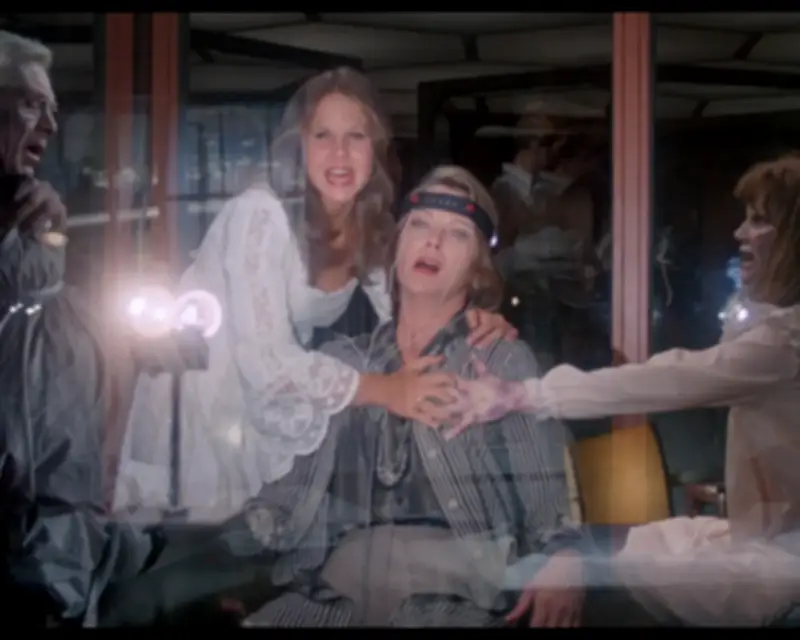
For directors, uninvited laughter is devastating. Boorman and the Devil, a documentary in cinemas this week about John Boorman's Exorcist II: The Heretic, one of the most maligned films in history, shows how damaging it can be.
The Exorcist II Backlash
Boorman, who disliked William Friedkin's original Exorcist, aimed to make a radically different sequel—grand, fantastical, and hopeful. Warner Bros bankrolled it for a then-unprecedented $14m. The sprawling plot included trips to Africa and Latin America, a “synchronizer” device merging brainwaves, and Linda Blair tapdancing. What it lacked, by design, was scares, which audiences expected after the first film's success. When they didn't get them, they responded with confusion, boredom, and laughter. Press reports of audiences rolling in the aisles caused the film to plummet at the box office after its first week.
Boorman frantically re-edited the film, adding a more unhappy ending and removing guffawed-at moments. His changes came too late for the US, where Warner Bros deemed replacing prints too pricey, though international audiences got the new version. The film still appears on worst-of-all-time lists.
Salvaging a Reputation
Boorman and the Devil attempts to salvage Exorcist II's standing, highlighting its pioneering Steadicam use and beautiful cinematography. Yet even sympathetic talking heads—directors, critics, industry professionals—still consider it a bad movie. Boorman, now 93, defends his work but feels “the old wound” of its reputation and mocking laughter.
Positive responses to such setbacks exist. The Room, Tommy Wiseau's 2003 drama, is so bad it achieved cult-classic status. The Prince Charles does a roaring trade in screenings where audiences snigger at its terrible dialogue and wooden acting. Wiseau regularly introduces the film and does Q&As, treated with A-list adulation, turning mass mockery into cult-hero status—proof that laughter can sometimes be the best medicine.