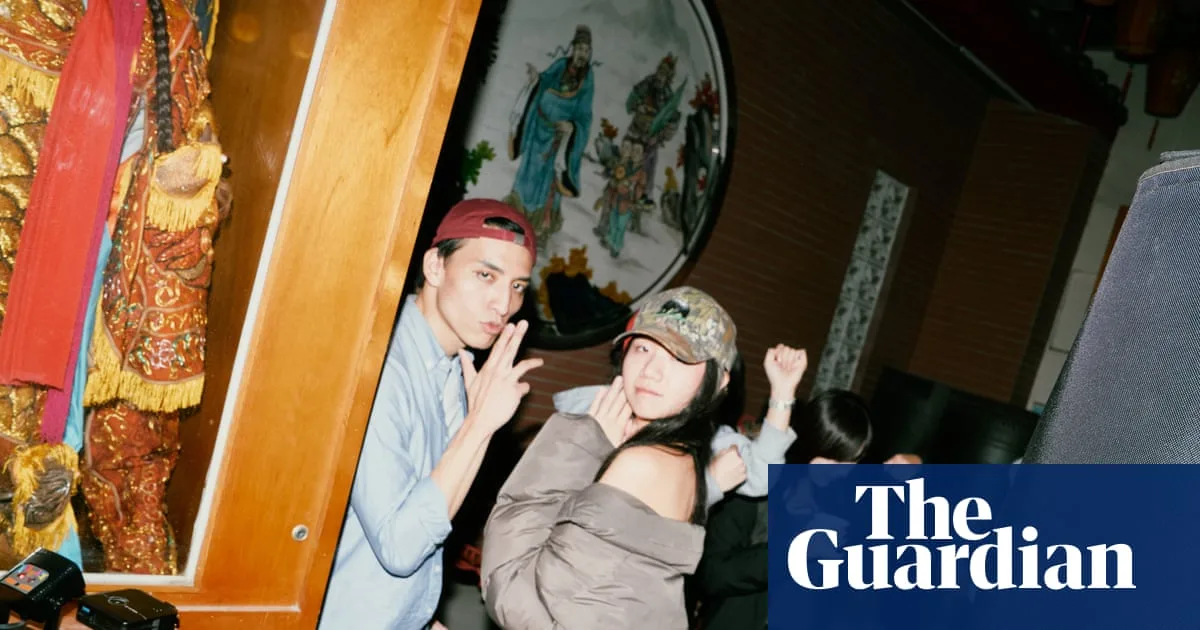
At Puji Temple in Tainan, Taiwan, a lunar new year celebration saw a sound system set up under the watchful eyes of deities. Behind the speaker stack hung a plaque of Caishen, the Chinese god of prosperity, while around the corner families burned incense for the temple's patron figure, Chifu Wangye. The event, part of the Temple Meltdown party series, combined dub and reggae music with traditional worship.
Andrew Dawson, the organiser and half-American, half-Taiwanese also known as Chen Xuan Yu, has been running Temple Meltdown for three years. He sees temples as vibrant civic centres where underground music naturally fits. 'Every temple in Taiwan is very different ... but there is always a plaza area outside where people can gather, cook, hang out with their friends,' he said.
Such scenes are hard-won in Taiwan, which endured four decades of martial law until 1987, with bans on public cultural events and dance halls. Even after martial law ended, restrictions on assembly and association persisted, and police raids on nightlife venues remain common. Social conservatism, fuelled by sensationalist headlines about drug use, has also hindered dance culture.
Temples offer an alternative. Taiwan has more temples per capita than any other country, and Tainan has one of the highest densities in the world. Unlike many Western religious sites, temples are often left open and unattended, making worship spontaneous and integrated with daily life. 'Growing up, this is just what we do,' said local Archi Tsai. 'You stop by and pay your respects.'
Tsai, who provides the speaker stacks, built his Formosa Sound System after being inspired by Croatia's Outlook festival in 2014. He taught himself through YouTube and forums, and with help from friends, spent about 2 million TWD (£47,000) over seven years to create a robust system ideal for reggae and bass music. 'Back in Taiwan's history, people thought if you partied, you were immoral and jobless,' Tsai said. 'But we are changing that.'