BBC's Today Programme Confronts Existential Challenge in Podcast Age
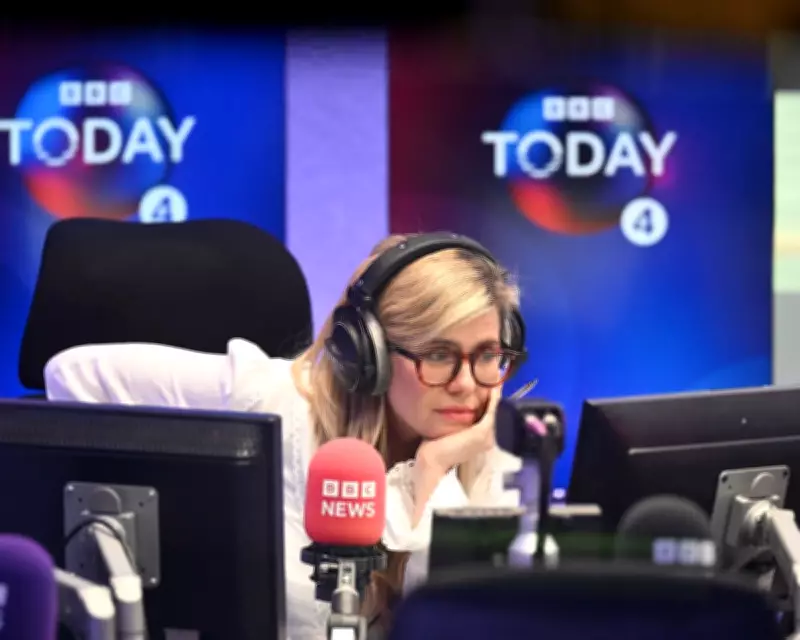
The BBC's flagship Radio 4 Today programme, a cornerstone of British broadcasting since the 1950s, is navigating a profound period of introspection. With over 5 million weekly listeners tuning in for its iconic 8.10am interviews, the show remains a titan in news media. However, BBC insiders report an "existential moment" has emerged, questioning its direction and status as it contends with the rise of podcasts and shifting presenter attitudes.
Search for New Leadership Amidst Media Evolution
As the programme seeks a new editor and presenter, internal debates rage over whether Today should maintain its structured, news-agenda format or evolve into a more conversational, personality-driven show. This soul-searching intensified in January when Amol Rajan announced his departure to focus on online content, including his popular Radical podcast. His move underscores a broader trend: presenters now have diverse opportunities beyond traditional radio, balancing family life and personal projects.
A BBC insider noted, "There's one feeling that the Today programme is too staid and too structured. The counter-argument is that's exactly what people expect and that's why 5-6 million people are listening to it." This tension highlights the generational shift among staff, where the show is no longer the ultimate career pinnacle it once was for figures like John Humphrys.

Presenter Dynamics and Competitive Landscape
The allure of the Today presenter's chair has diminished for some, due to gruelling hours and public abuse. Matt Chorley, for instance, opted to stay at 5 Live despite executive interest. Meanwhile, Emma Barnett, who joined in 2024 to inject personality, has faced criticism, with sources suggesting she excelled more on 5 Live. Radio commentator Matt Deegan observed, "Emma is not going to be short of an offer or two if she wanted to do something else. You can be at the top of the game now doing other things."
In contrast, Anna Foster's appointment as a presenter has been hailed a success, reinforcing the value of experienced radio journalists. Her background as a Middle East correspondent aligns with the show's tradition of set-piece interviews and news rundowns. Yet, the departure of editor Owenna Griffiths this month adds to the churn, with the role seen as increasingly challenging due to limited scope for innovation.
Future Prospects and Audience Retention
Despite these challenges, Today commands a robust weekly audience of 5.5 million, though numbers are declining slowly. Contenders for Rajan's replacement include Katya Adler, Dharshini David, Faisal Islam, Katie Razzall, and Adam Fleming, with a focus on political expertise to complement Nick Robinson. Deegan pointed out, "Today was just the de facto news programme, whereas people are now exposed to lots of different types of current affairs broadcasting, from LBC and Times Radio to the rise of The News Agents and The Rest is Politics."
Ultimately, the programme's future hinges on balancing its legacy with modern media demands. As one source summarized, "It's fine to carry on as it is. But you need to have a recognition that it's probably past that high-water mark to deliver on the original concept."