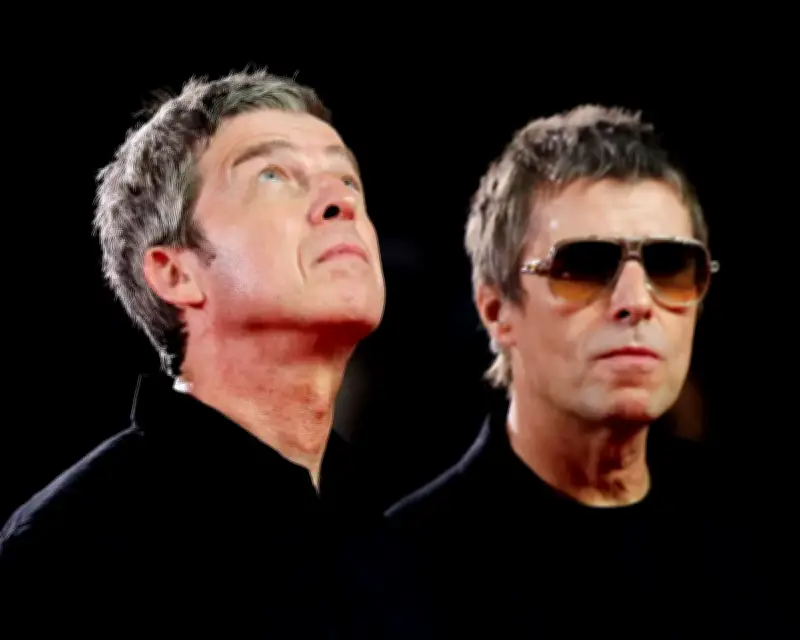
The UK music industry added £8.4bn to the economy in 2025, a record figure, according to the annual report by UK Music. This represents a 5.7% rise from the previous year, outpacing inflation. Export revenue also grew by 3.6% to £4.8bn, driven by international touring, royalties, and sales and streaming of British music abroad.
Major tours by Oasis, Robbie Williams, and Dua Lipa, along with hit albums from artists such as Olivia Dean, helped fuel the growth. Employment in the sector saw a slight increase, with 730 jobs added, bringing total recorded employment to 220,500.
Live Music Boom and Rising Costs
The success is partly powered by a live music sector where stadium performances are becoming increasingly common, with consumers willing to spend three-figure sums on tickets. However, the This Is Music report cautioned that “many emerging and grassroots artists experienced rising costs which reduced net incomes, and even well-known artists have found it hard to make money”.
The report highlights hit albums by UK artists, including No 1s by Sleep Token, Yungblud, Sam Fender, Wet Leg, and Biffy Clyro, that have boosted recorded music revenues. It also notes a troubling trend: while UK artists had historically been more popular than US ones in the domestic market, US artists overtook them in 2018, and their popularity has continued to diverge, levelling out somewhat in 2025 thanks in part to blockbuster hits by Dean, Fender, and others.
AI Threats and Income Disparity
AI also poses a threat to human artists, with the report warning: “AI generated ‘slop’ and deepfakes are an increasing problem, which is reflected in a dramatic increase in takedown notices for AI deepfakes issued by labels,” referring to songs taken down from streaming services for imitating existing artists.
There was a marked difference between two sets of data used to monitor artist income. A survey of accounts for “top and mid-level” artists found their earnings rising more than 14% year on year. But the Music Creators’ Survey, which asks musicians to self-report their income, found growth of just 0.2% in the same period.
“It has never been easier to record and release music, but given the intense level of competition that has ensued, it has never been more difficult to establish a profile and build a scalable career,” reads the report. “This makes life especially tough for many music creators with average earnings.”
Industry Calls and Future Tours
Tom Kiehl, UK Music’s chief executive, used the report’s launch to lobby the government. “The government must use the upcoming UK EU summit on 20 November to work to remove barriers to EU exports,” he said. “It must not give AI a free pass and should support a sustainably funded BBC – and deliver economic growth for music in every postcode.”
He added: “We are not simply asking government to act. We stand ready to be part of the solution too. The UK music industry has never lacked talent, ambition or creativity. The challenge now is ensuring the right environment exists for those strengths to flourish. If we get that right, the opportunities ahead are enormous.”
Ian Murray, creative industries minister, highlighted government funding schemes such as the Music Growth Package and said: “We are investing in the grassroots infrastructure, talent pipeline and independent businesses that keep the sector competitive.”
Some of the UK’s most successful acts are already eyeing a potentially lucrative 2027. Oasis will head back out on tour after the blockbuster success of their 2025 reunion, playing 11 different locations across the UK, Europe, and North America; Dua Lipa has been announced as a headliner of Coachella festival and is expected to release a fourth studio album; and Sam Fender has announced the Proper Massive tour, with 12 UK and Ireland stadium dates plus major venues in North America.