London Handel Festival Opens with Electrifying Saul Performance
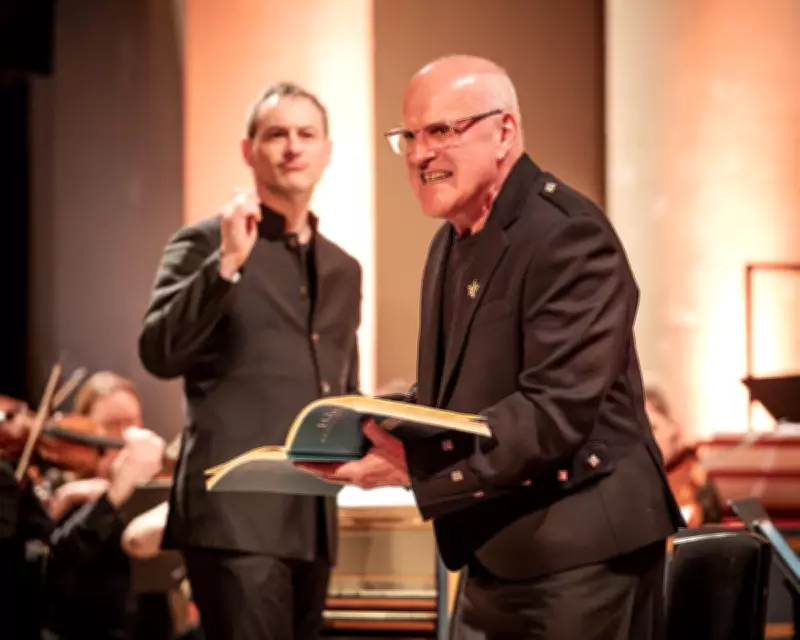
The London Handel Festival launched its season with a vibrant and intense presentation of George Frideric Handel's operatic oratorio Saul at St John's Smith Square. Arcangelo, the festival's principal ensemble in residence, delivered an agile and elegant performance that captured the dramatic essence of this monumental work.
A Theatrical Masterpiece with Historical Significance
Originally conceived to bolster a struggling Italian opera season in 1739, Saul stands out as Handel's longest music theatre composition in English. The piece is renowned for its innovative orchestration, featuring a carillon to mimic chiming bells for celebratory moments, a harp for the shepherd David, three trombones for the iconic Dead March, and oversized kettledrums borrowed from the Tower of London. These elements contribute to its operatic intensity, distinguishing it from more conventional oratorios.
Arcangelo's Dynamic Interpretation
Under the direction of founder Jonathan Cohen, Arcangelo showcased exceptional musicianship with a keen focus on instrumental colour and dramatic pacing. Cohen's urgent yet measured approach allowed for elegant phrasing and dynamic elasticity, supported by outstanding playing from an orchestra of early music experts. The 30-voice chorus performed with remarkable agility, producing a sound that seemed twice its size.

Compelling Narrative and Character Portrayals
The oratorio explores dynastic rivalry, following David's triumph over the Philistines and his fraught relationship with the jealous King Saul. The story delves into the dysfunctional royal family, including subtle hints of a same-sex bond between David and Saul's son, Jonathan. A particularly striking scene involves the Witch of Endor summoning the ghost of the prophet Samuel, who foretells Saul's demise, adding a layer of Gothic horror.
Standout Performances
Christopher Purves dominated the stage as Saul, delivering a performance that was both visceral and commanding. His baritone voice conveyed a dark, coffin-like intensity as he portrayed the king's descent into madness, snarling at the heavens with gripping realism. Hugh Cutting provided a perfect contrast as David, his voice described as liquid honey, especially in the poignant aria Oh Lord, Whose Mercies Numberless, accompanied by Oliver Wass on baroque harp.
Jessica Cale brought high-flying lyricism to the role of Michal, while Emőke Baráth impressed with a spitfire soprano as the haughty Merab. Linard Vrielink added flair with a bright, flamboyant tenor, embodying the smitten Jonathan with lingering expressiveness. Although the resonant acoustics of St John's Smith Square occasionally obscured some lyrics, this minor issue did not detract from the overall impact of the production.
Festival Continuation
The London Handel Festival continues its run until 28 March, offering further opportunities to experience Handel's works in a historic setting. This opening performance of Saul sets a high standard for the season, blending historical authenticity with theatrical vitality.