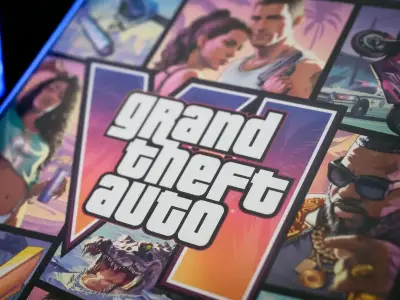
As Grand Theft Auto 6 arrives, a Liverpool man is urging parents to look beyond the screen and pay closer attention to what their children are exposed to online. Samawer Sohail, 23, from Kensington, co-founder of educational company Beat Modules, said the influence of gaming on young people extends far beyond the games themselves, with voice chats, streamers and online communities playing an increasingly important role in shaping attitudes.
Age rating and family conversations
With the latest Grand Theft Auto game carrying an 18 age rating, Sohail believes its release offers an opportunity for families to have wider conversations about what children are watching, playing and listening to. In the past, the game has sparked debate due to its inclusion of explicit sexual themes, violent imagery, and drug use within expansive open-world environments.
Sohail told the ECHO: "If we think about it, how many parents could name the last three games their child played, and who they played them with?"
"Gaming is just part of normal growing up now. Research by Ofcom found almost nine in ten children play games, and nearly all of them do by the age of 10 to 12. So when the biggest game in years comes out with an 18 rating, lots of under-18s will see it, whether by playing it, watching clips online or through their friends."
Personal experience and wider influence
Sohail said the issue was something he had seen close to home, with his own young cousins working extra shifts to save up to buy the game and one even missing school. He added: "I do think that as adults we have a responsibility to know what children are taking in. Right now, a lot of us don't. It's hard to keep track, but it's very important."
While he believes games themselves are not usually the biggest influence on young people's attitudes, he warned the wider online world surrounding them can have a significant impact. "The bigger influence is the world around them such as the voice chat and the streamers as well as the clips that get shared," he said.
"That matters because it reaches so many boys at the age when they're working out who they are, and ideas picked up at 12 can stick for years. So if we only talk about what's in the game, we're missing where most of the learning happens."
Real people over fictional characters
Sohail has previously spoken to the ECHO about his work challenging misogyny and the influence of the manosphere on young boys through Beat Modules, which creates digital PSHE lessons for schools. He believes young people are often influenced less by fictional characters and more by the real people they look up to, from online personalities and artists to their own friends.
He said: "I imagine most young people know a game is a game and not real life. Their beliefs and attitudes usually come from real people they look up to or feel inspired by, such as artists, streamers or their friends. Outside of school, group chats and online communities are often where jokes and hate about girls get repeated until they feel normal."
He also warned that parents may not always be aware of what is happening when their children are gaming, particularly when they can see the screen but cannot hear conversations taking place through a headset. "If you can see the TV screen but not hear the headset, how much of the game are you really seeing?" he said.
"Many parents aren't aware of what goes on in the chat, or feel too far removed from this world, especially those who aren't tech-savvy. That's not a failing on their part. Gaming has changed faster than anyone has explained it to them. Young people often say, 'Look, I'm not doing anything harmful, I'm just playing games with my friends'. That can make parents think it's completely safe, and in most cases it might be. But who they talk to, what they talk about and where that can lead is where the risk lives."
Age ratings and practical advice
Sohail said parents should also remember that age ratings are there for a reason, pointing to the violence, sexual content and drug use that can feature in some games. He said: "We try not to let our 12-year-olds watch an 18 film on their own, so why is an 18 game any different? We often forget that game age ratings in the UK are backed by law, because of the violence, sex and drug use in some games."
He added that some games are also designed to encourage spending, which can leave young people feeling pressured to buy things they cannot afford. Rather than simply telling children what they should or should not be playing, Sohail believes parents should start by taking an interest in the games they enjoy and the people they spend time with online.
He said: "A good place to start is asking your child what they love about a game, and looking for patterns. Ask who they play with, which streamers they watch, and what they like about them. And if you hear them say something out of character online, taking a second to ask, 'Would you say that to someone's face?' can be really useful."