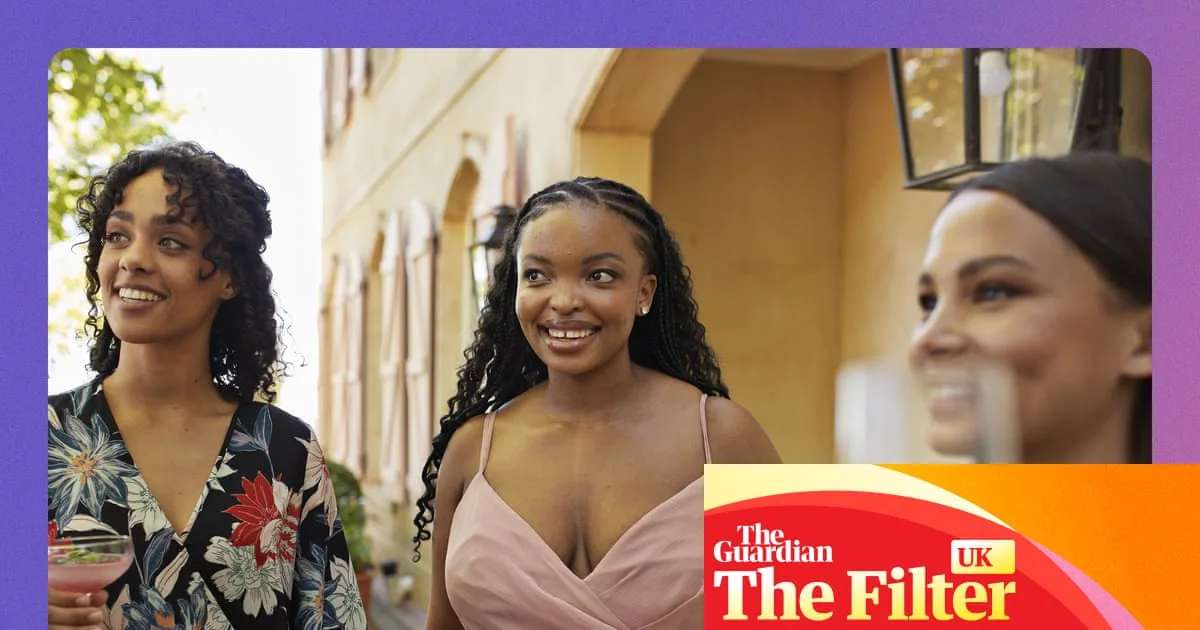
Wedding invitations piling up? Whether you need town hall-ready or black-tie chic, we’ve got looks for every type of nuptial – and beyond. Few social events are as fraught with sartorial anxieties as weddings. From the strict no-white-dresses rule to the semantics of black tie and the even murkier casual codes, dressing for someone else’s celebration can feel even more stressful than dressing for your own.
Weddings are rarely a one-size-fits-all kind of event, with a range of dress codes depending on the venue and formality levels. Summer weddings offer breathing room: florals, bright colours and lighter fabrics that shimmer under the sunlight feel perfectly at home. Town hall ceremonies suit classic tailoring, while country weddings embrace a more rustic romance. Casual weddings allow for a little more experimentation, with statement skirts and coordinated separates fair game. The trick is balance: show respect for the occasion, but rules and regulations are often outdated.
Not everyone needs – or wants – to buy a dress they’ll wear only once. Buying a dress secondhand or, better yet, renting one can be a great option for special occasions. ByRotation lets you hire a huge range of designer pieces for a fraction of the retail price, while some high-street stores, including John Lewis, now have their own in-house rental options. Pro tips: steer clear of fabrics that are too light in colour; pastels are beautiful until you spill a cocktail. Similarly, delicate, easily snagged fabrics such as chiffon or silk can be a gamble. Cottons or sturdier blends tend to survive a long day of celebrating much more graciously. Remember to give yourself time to try it on – a stubborn zip is not the type of stress you need before a long day of festivities.
Against the high ceilings, marbled floors and slightly echoey rooms that often come with town halls, something a little sharper and more defined fits the bill. Tailoring and structure work in your favour. Florals are an obvious choice for weddings with a natural backdrop, but they’re not alone. Silks, satins and soft cottons can all work well, particularly when the cut feels easy rather than overly tailored. Country weddings often come with uneven grounds, so make sure to pair with shoes you can comfortably walk in.
Black tie can sound daunting, but there are really only two main rules: your dress should sweep the floor, and it should be made of a high-quality fabric. Despite the name, black tie doesn’t mean you need to wear black, but it does mean you have to wear something that feels deliberate, whether that’s through cut or fabric. A casual dress code can be more stressful than a formal one. You know you can’t turn up in jeans, but it also doesn’t mean anything too formal, which leaves you hovering somewhere in between. The safest approach is to look like you’ve made an effort, just not a big one. This is where easy dresses and unfussy fabrics come into play. Nothing too structured, nothing too precious.
Sun, heat and the size of your suitcase limit what you can wear to a destination wedding, so it’s just as much about practicality as it is about style. Lightweight fabrics, easy silhouettes, and pieces that survive being folded (or at least recover quickly) are key. Think dresses that move well in warm air, hold their shape, and don’t demand overthinking once you’ve arrived. It may not be glamorous, but a portable steamer is essential for a destination wedding. Lightweight fabrics crease easily in transit, and a quick steam can reset a dress. Coordinate with your friends so you don’t all need to pack one.