Met Gala Exhibit Breaks Mold with Diverse Body Mannequins
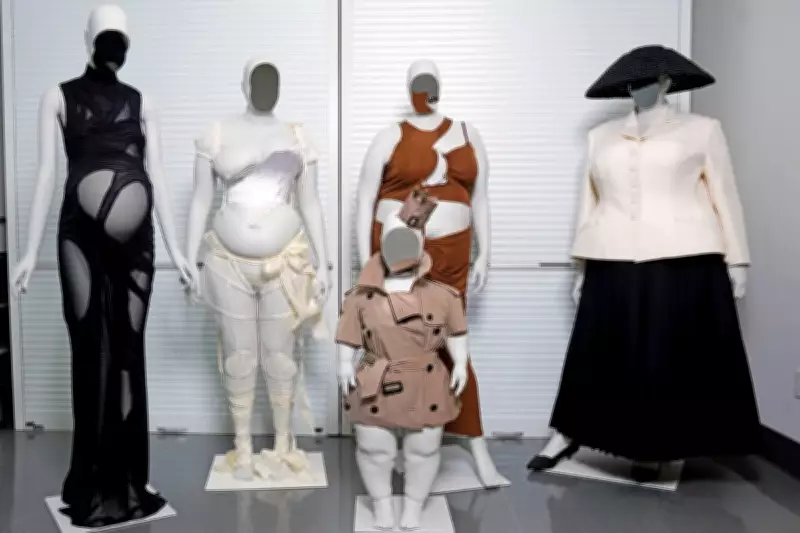
In a bold departure from fashion norms, the Metropolitan Museum of Art is set to unveil an exhibit featuring mannequins based on real people with diverse body types, moving beyond the traditional size 2 standard. The upcoming "Costume Art" exhibit, launching with the star-studded Met Gala on May 4, 2026, aims to challenge historical exclusions in art and fashion by showcasing a wider range of human forms.
Scanning Real Bodies for Authentic Representation
Artist and designer Michaela Stark vividly recalls the intense process of having her body scanned for the exhibit. On a sweltering 40-degree Celsius day in a Brooklyn studio, she stood surrounded by 175 cameras, clad only in her signature corsetry, as photogrammetry captured every angle. "It was definitely a bit nerve-wracking," Stark admits, describing the experience as "intimate and vulnerable." Yet, she humorously notes that the heat and corset somehow eased the awkwardness. Her scans were used to create three mannequins for the museum, part of a broader initiative to infuse body positivity into the exhibit.
Curator's Vision: Challenging Standardized Displays
Curator Andrew Bolton explains that classic fashion mannequins typically represent a women's size 2, but the new additions aim to highlight body types often ignored in art history, such as corpulent, disabled, or aging bodies. "The goal was to challenge a history of museum mannequin display that's very much characterized by thin, abled, and standardized bodies," Bolton states. Rather than modifying existing mannequins, the team based 18 new ones on nine real-life models, including disability activist Sinéad Burke, athlete Aimee Mullins, and musician Aariana Rose Philip. Seven additional mannequins represent shapes like pregnancy and thin male bodies, though not based on specific individuals.

Permanent Inclusion and Industry Context
These 25 new mannequins will not be discarded after the exhibit closes in January 2027; instead, they'll join the museum's permanent collection for future use. Stark, whose designs will adorn her mannequins in the Reclaimed Body and Corpulent Body sections, sees this permanence as thrilling. She emphasizes the timing is crucial, as the fashion industry's commitment to body positivity appears to be waning. "We've seen the complete rapid decline of the body positivity industry," Stark observes, citing a Vogue Business report that noted fewer plus-size models on runways in Fall/Winter 2026. Burke echoes this concern, calling the trend "shameful and embarrassing."
Innovative Design and Visitor Engagement
The mannequins were created through a multi-step process: scans from New York Capture were digitally molded by artist Frank Benson, then fabricated by Italian company Bonaveri. A unique feature of all over 200 mannequins in "Costume Art" is their polished steel surface, which acts as a mirror, allowing visitors to see themselves alongside the displayed figures. Bolton explains, "You're looking not only at the person the mannequin is meant to embody, but also yourself." Some mannequins, like Burke's, are placed on pedestals to symbolize elevation and respect, a gesture Burke found deeply meaningful after a lifetime of being looked down upon.
Expanding the Narrative Without Erasing History
Bolton stresses that the exhibit does not reject classical body shapes but seeks to enrich the story. "We're using it as an opportunity to add new voices and new silhouettes and new presences," he says. "The figures don't deny the past, but in a way, I suppose they complete the picture." The exhibit, which pairs 400 items—half art objects and half garments—opens to the public on May 10, 2026, promising a transformative experience that celebrates diversity in fashion and art.