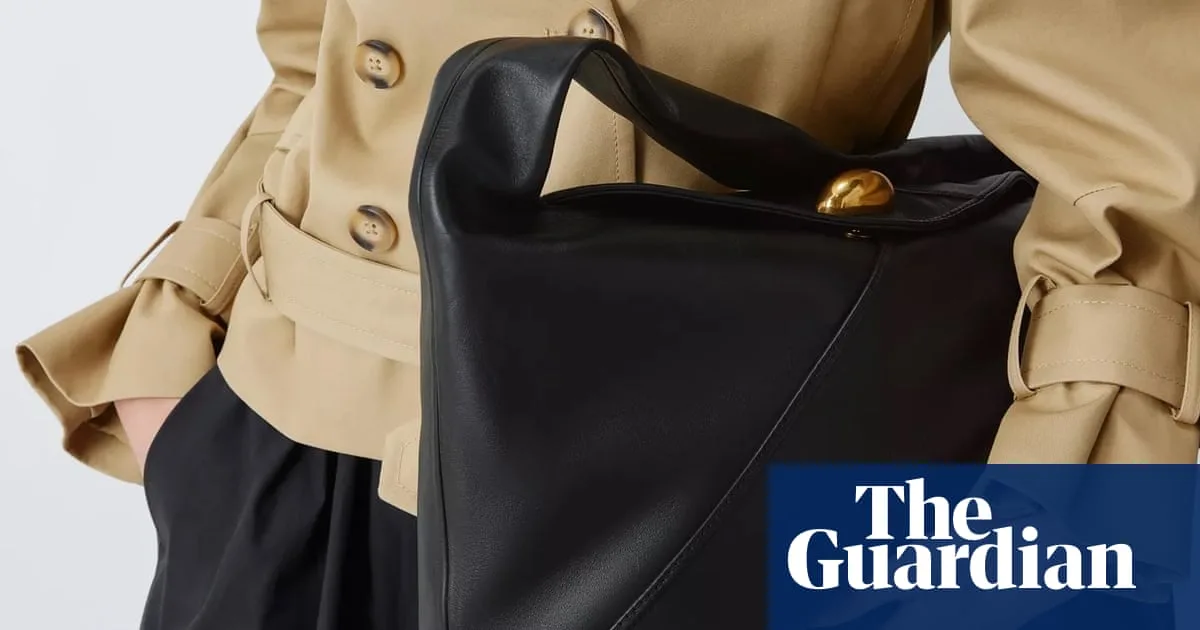
A new trend in handbags is emerging, epitomised by John Lewis's £149 'Intentional tote bag'. Deeper and taller than standard handbags, it is designed to carry daily essentials like packed lunches, flasks, and gym kits. Carrie Cooper, John Lewis's senior footwear and accessories designer, describes it as an 'all-day bag' that feels intentional rather than just a basic shopper.
Other retailers are following suit. Marks & Spencer offers a suede version, while Jigsaw calls its iteration a 'shopper'. Me+Em, favoured by Labour working women, has a 'soft day bag'. The California climbing brand Gramicci provides a gorpcore version, and the LA-based Pacific Tote Company makes cult canvas bags favoured by celebrities like Anthony Hopkins and Alexa Chung. According to co-founder Duffy Culligan, these bags are 'more like the co-conspirator of an unplanned adventure'.
This trend is seen as an antidote to the need for carrying two bags—one for show and one for actual items. It also addresses 'tote fatigue', as flimsy promotional totes clutter hallways. The UN environment programme notes that a cotton tote must be used 50 to 150 times to offset its production, yet less than 10% are used more than three times. Culligan highlights the irony of carrying a repurposed grocery tote that often falls apart quickly.
Cultural analyst Bridget Dalton of Truth Consulting suggests that these 'good intention' bags indicate a 'dedication to practicality'. They are also more gender-neutral, referencing David Beckham's large Hermès bag. Dalton notes that carrying a capacious bag was once seen as déclassé, but now represents a rejection of frivolity and a nod to self-reliance. This marks a shift from the late 2010s trend of impractical tiny handbags.