The Secret History Behind Your Jumper's Triangular Panel
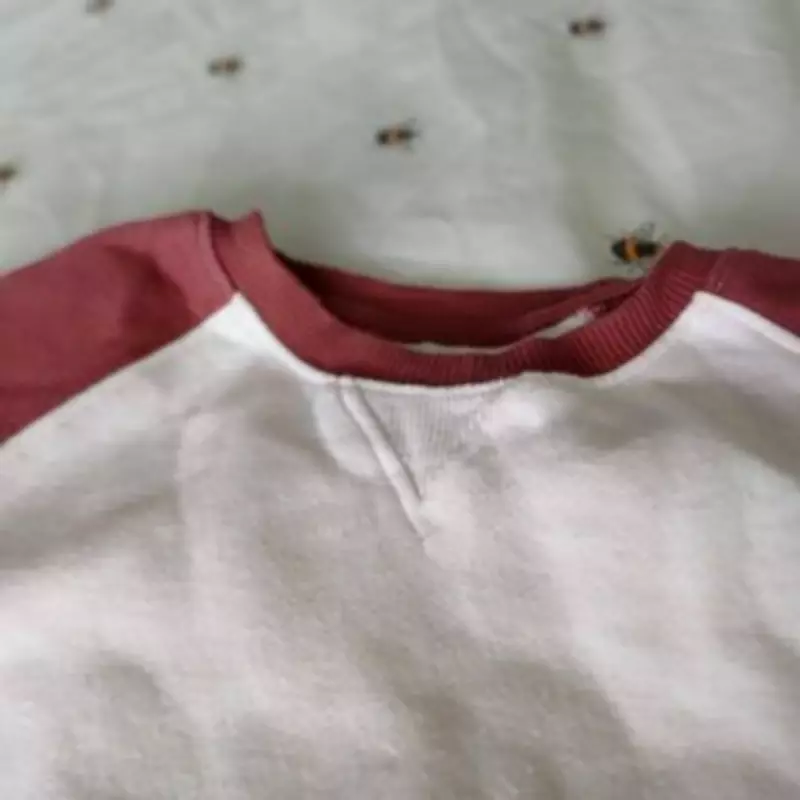
Most people have noticed the small triangular panel on the neckline of jumpers, hoodies, and sweaters, but very few understand its original purpose. This distinctive V-shaped feature, often found at the base of the collar, has a fascinating history that dates back nearly a century to innovative sportswear design.
From Functional Innovation to Decorative Imitation
Fashion content creator Alex Ma, who has built a substantial following by uncovering clothing mysteries, recently explained the panel's true origins in a viral video that has attracted over six million views. Ma revealed that while many contemporary versions are purely decorative, the original design served two crucial practical functions that revolutionized athletic wear.
The panel was first introduced in 1926 by American clothing manufacturer Russell Athletic when they created the first sweatshirt football jersey. Before this innovation, football players wore wool jerseys that presented significant problems during physical activity.

The Sweat Management Solution
"Wool is warm, which is great, but when you mix wool, sweat and intense physical activity, you end up with a heavy, disgusting mess," Ma explained. "Plus, when you wash it, the wool would shrink dramatically."
Russell Athletic's solution was a cotton jersey with a specifically positioned V-shaped panel designed to address sweat accumulation. The triangle sits exactly where sweat first collects on the body—at the upper chest and collarbone area. This separate fabric section absorbs moisture in that high-sweat zone without saturating the entire front of the garment.
Enhanced Flexibility and Durability
Beyond sweat management, the V-shaped panel serves another important function. The additional material creates a flexibility point that allows the garment to move naturally when pulled over the head. This design prevents the neckline from stretching out of shape, significantly extending the jumper's lifespan and maintaining its proper fit through repeated wear.
The Modern Reality: Mostly Decorative
Despite these clever original purposes, Ma emphasizes that most V-shaped panels in contemporary clothing are merely imitations. "You will see what looks like a V-panel, but it is not actually functional," he noted. "Usually, it is the same fabric as the rest of the sweatshirt, just with extra fabric stitched on top. It doesn't provide any extra stretch; it's purely aesthetic."
Some manufacturers have taken this imitation even further, creating V-shaped stitching patterns without any additional fabric at all. These decorative versions maintain the visual appearance of the functional design while offering none of the practical benefits that made the original so valuable for athletes.
The evolution of this simple triangular panel tells a broader story about fashion design, where functional innovations often become stylistic elements divorced from their original purposes. What began as a solution to athletic wear problems has transformed into a common decorative feature that most wearers never question or understand.