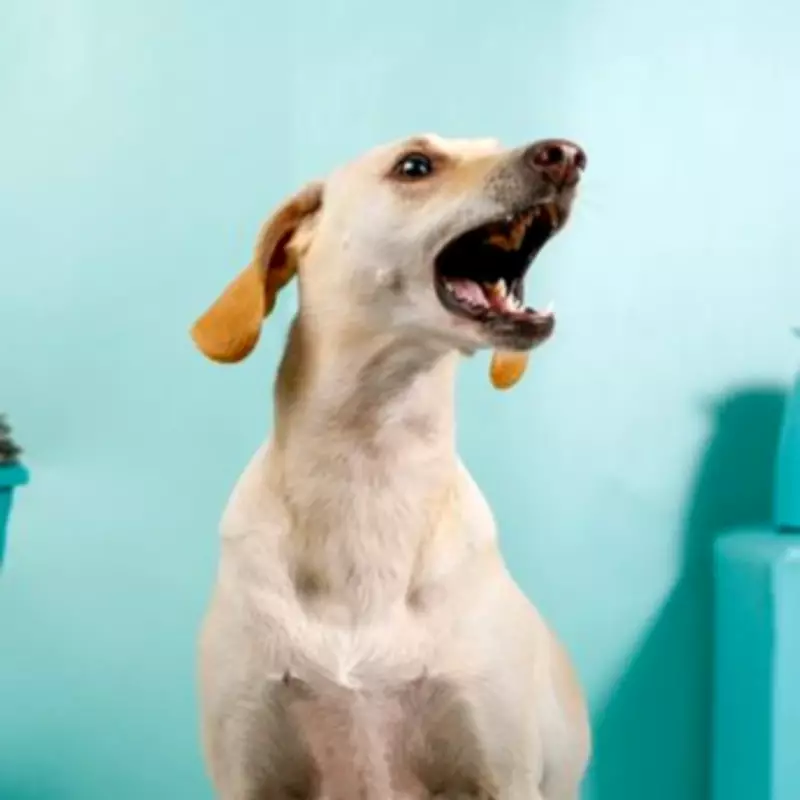
If you're facing challenges with your dog's behaviour, a leading canine behaviour expert has revealed two straightforward training techniques that he believes can create a perfectly behaved pet. Clinical canine behaviourist Will Atherton, founder of his own dog training academy, asserts that these methods can elevate your dog's behaviour beyond 99 per cent of other pets.
The Expert's Background and Promise
Will Atherton has built a reputation through his work with hundreds of thousands of dog owners, helping them transition from dealing with various behaviour issues to achieving their ideal canine companion. In a recent TikTok video, he distilled his extensive experience into two key focus areas that are accessible to all pet owners.
1. Crate Training: The Foundation for Home Behaviour
First on Atherton's list is crate training, which he describes as a crucial tool for preventing or resolving 99 per cent of problem behaviours within the home. Contrary to common misconceptions about cruelty, he explains that crates provide dogs with a personal den—a secure space where they can relax and learn boundaries while developing independence.

This method helps curb destructive behaviours, supports in-house training, and can alleviate issues like separation anxiety. Atherton emphasises that crate training establishes control and boundaries, serving as a stepping stone to more advanced techniques.
For optimal results, he recommends selecting a crate that is spacious enough for your dog to feel comfortable and secure. Enhancing it with soft bedding and toys can make it more inviting. The introduction should be gradual, using positive reinforcement and keeping initial sessions short. By maintaining patience and establishing a consistent routine, crate training can become a seamless part of your daily life with your pet.
2. Loose Lead Walking: Mastering Outdoor Control
Atherton identifies loose lead walking as the second essential method, claiming it can prevent or solve 99 per cent of problems outside the home. This technique involves teaching your dog to walk calmly by your side on a relaxed leash, without pulling or dragging. It is vital for protecting both your pet's health and the safety of those around you, as sudden lunges can lead to injuries or accidents, particularly near roads.
In a separate video clip, Atherton elaborated on the importance of teaching dogs to walk to heel, noting that using a loose lead allows for control without needing to go off-lead. He highlights that this practice encourages dogs to follow and look to their owners for guidance and direction, making walks more pleasant and controlled.
To implement this effectively, start training indoors in a distraction-free environment. Use treats and praise to reward your dog when they walk beside you with a loose lead. If pulling occurs, stop walking and wait until the leash slackens before proceeding. Changing direction can also help break the habit of pulling. Consistency, short practice sessions, and regular reinforcement are key to seeing improvements in your daily walks.
Conclusion: A Path to Exceptional Behaviour
Will Atherton summarises his advice by stating that focusing on these two methods alone can result in a dog that behaves better than 99 per cent of others. By integrating crate training for home discipline and loose lead walking for outdoor control, pet owners can foster a well-behaved, secure, and happy canine companion. These steps, grounded in positive reinforcement and consistency, offer a practical roadmap for transforming any dog's behaviour.