Plague, medieval taxes, religious persecution, and prostitution are not topics new parents expect to encounter, yet many popular nursery rhymes have shockingly sinister origins. From babies falling from trees to heads being chopped off, these seemingly innocuous verses often reveal dark backstories dating back centuries.
The earliest nursery rhymes date from the 14th Century, with a golden age in the 18th Century when classics still sung today emerged. The first printed collection, Tommy Thumb's Song Book, appeared around 1744, while Edward Rimbault's later collection included notated music. However, a minor-key version of Three Blind Mice can be traced to Thomas Ravenscroft's 1609 folk-song compilation.
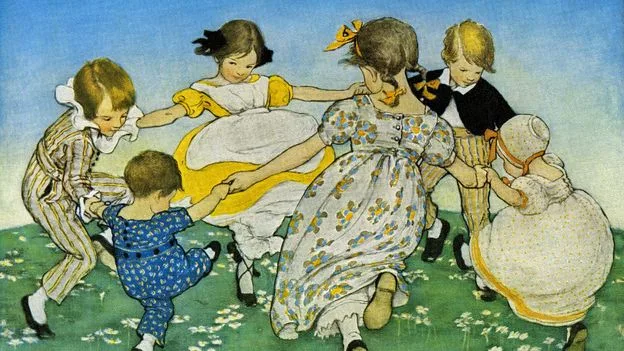
According to child development experts, nursery rhymes aid mental development and spatial reasoning, and foster emotional bonds between parent and child. Yet beneath the surface, many rhymes reference messy clerical politics, religious violence, sex, illness, and murder. For example, 'Baa Baa Black Sheep' refers to the medieval wool tax imposed by King Edward I, while 'Ring a Ring o Roses' may describe the 1665 Great Plague of London.

'Rock-a-bye Baby' is thought to allude to events before the Glorious Revolution, with the baby representing the son of King James II, and the wind symbolising Protestant forces. 'Mary, Mary Quite Contrary' likely refers to Queen Mary I's persecution of Protestants, with 'silver bells' and 'cockleshells' representing instruments of torture.