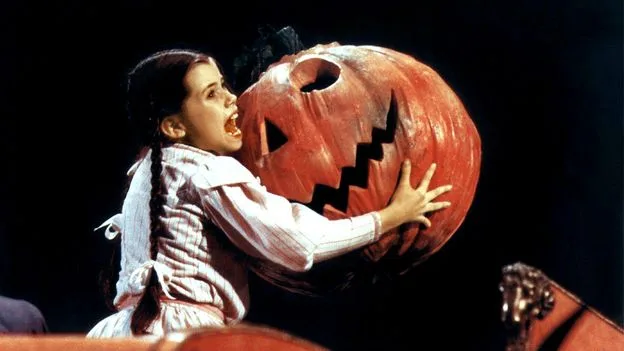
Forty years ago this week, Disney released 'Return to Oz', a sequel to the beloved 1939 musical 'The Wizard of Oz'. Directed by Walter Murch, the film was a box office failure but has since gained a cult following, largely due to its reputation as one of the scariest children's films of the 1980s.
The film opens with young Dorothy being sent to a psychiatric clinic for electrotherapy, a scene that many viewers find deeply disturbing. The Oz sequences are filled with nightmarish imagery, including a villainess with a chamber of disembodied heads and cackling creatures called Wheelers that have wheels for feet. Unlike the original, 'Return to Oz' is not a musical and is more grounded in tone, staying closer to L. Frank Baum's books.
Murch, an Academy Award-winning sound designer and editor, had long wanted to make a sequel faithful to Baum's novels. Disney approached him during a period of management changes, and he discovered the studio held the rights to the Oz books, which were set to expire in five years. The script, co-written with Gil Dennis, combines elements from 'Ozma of Oz' and 'The Magical Land of Oz'. Nine-year-old Fairuza Balk was cast as Dorothy, matching the character's age in the books.

The film's dark tone was intentional, blending 19th-century fairy tale elements with a realistic depiction of rural Kansas in 1890. Murch notes that even the original 1939 film, stripped of its songs, is quite dark. The production design was influenced by the original book illustrations, and the ruby slippers were retained from the earlier film, for which Disney had to pay for the rights.
Despite its initial mixed reception and poor box office performance, 'Return to Oz' has endured as a cult classic, appreciated for its willingness to embrace the darker aspects of Baum's world.