Believe Me Review: ITV's Black Cab Rapist Drama Is Powerful but Tawdry
Believe Me Review: ITV's Black Cab Rapist Drama Falls Short

Between 2000 and 2008, John Worboys, a licensed London taxi driver, committed a series of sexual offences against women that sparked a media frenzy. Dubbed "the black cab rapist" by the tabloids, Worboys was only part of the story. Before the fight for justice began, many of his victims struggled for something else: recognition. Recognition that they had been assaulted, that it was not their fault, and that their attacker remained at large. This struggle lies at the heart of ITV's new four-part drama, Believe Me.

Plot and Characters

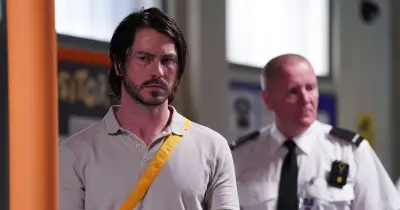
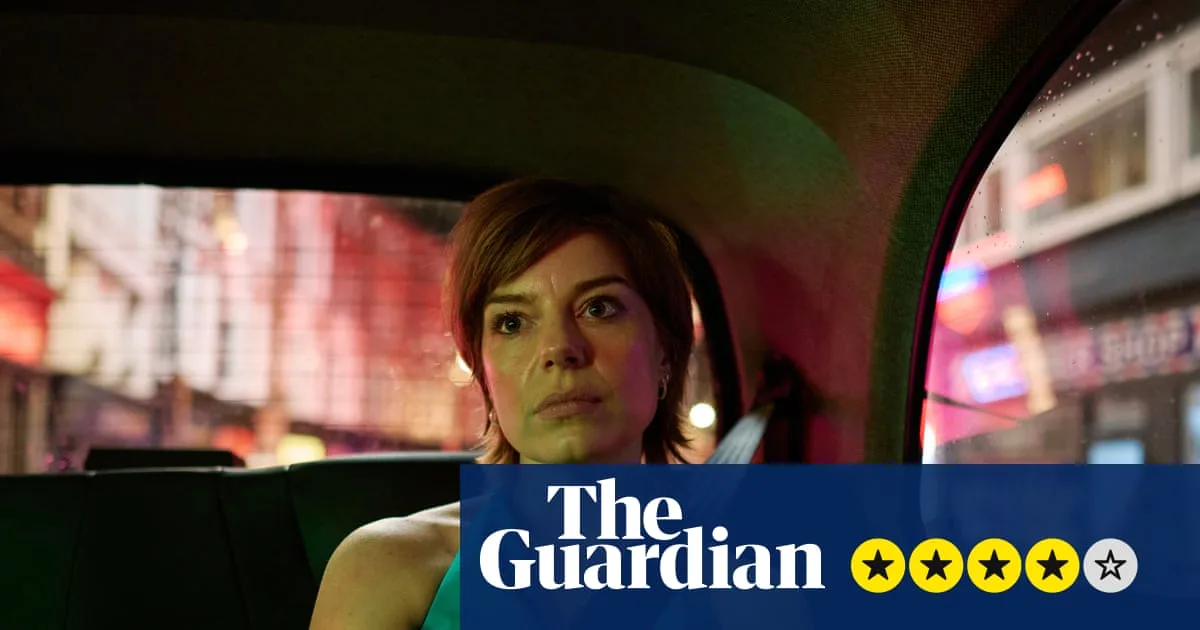
Sarah (Aimee-Ffion Edwards) is a young mother enjoying her first night out in ages. After friends put her in a black cab, the driver strikes up a strange conversation: "If you don't mind me saying, I think you look absolutely gorgeous tonight." That man is John Worboys (Daniel Mays), a prolific rapist. Sarah is by no means his first or last victim. By then, Worboys had established a distinctive modus operandi: he tells women he has had a casino windfall and encourages them to share champagne laced with sedatives. Over and over, he executes this plan. And over and over, the women who report him, including cases where he can be positively identified, find themselves demeaned and disbelieved by a police force whose imagination cannot extend to a licensed cabbie committing sex crimes.

Writer and Tone

Believe Me is written by Jeff Pope, who has worked on true crime stories including See No Evil (about Ian Brady and Myra Hindley) and The Widower (about Malcolm Webster) as a writer, and Jimmy Savile drama The Reckoning and Peter Sutcliffe procedural This is Personal as a producer. He is the closest thing the UK has to Ryan Murphy, the auteur behind American Horror Story and American Crime Story. Believe Me is another British Horror Story; the grimness of Worboys's crimes matched by the systemic failure of authorities to take women seriously. "Victims will be supported, they will be listened to and they will be believed," a police statement announces pompously. Any evidence to support that is thin.

Wide Pickt banner — collaborative shopping lists app for Telegram, phone mockup with grocery list

Television drama is adept at exposing how people in power let down those who rely on them. Believe Me effectively evokes the trauma of having your experience invalidated. "I've never seen a rape victim behave like that before," an interrogating officer says dismissively. "She's not crying." Another of Worboys's targets, Laila (Aasiya Shah), observes that the whole process is "like some kind of horrible joke." The Kafkaesque maze these women face at every turn, like an officer suggesting they just got blackout drunk, is important to depict. "I think the impact of what the police did to me was worse than the actual rape itself," Sarah says.

Reenactments and Criticism

Yet the drama is balanced with recreations of Worboys's crimes. Mays is a fine actor, but his cheeky chappy persona is jarring. His interactions with women like Sarah and Laila have a strangely performative quality, his lilting voice coming from the front of the vehicle while the camera studiously avoids showing his face. This is designed to evoke the disorientation his victims felt, but it ends up feeling grotty. These sequences are more reminiscent of the taxi murderer played by Rob Jarvis in the first series of Luther: monstrous, unsettling, exploitative. There is an asymmetry too: most of the women, other than Carrie Symonds (Miriam Petche), are anonymised hybrids, whereas Worboys is flesh and blood, a deluded narcissist the series cannot help but fixate on. Does it help victims of these crimes to see their experiences reenacted as entertainment? The cast handle their characters with sensitivity, and Pope redirects the series' focus in its second half towards bigger concerns about the justice system. But Believe Me appears to feel an obligation to show the offending to fully demonstrate the establishment's complacency. In doing so, it punctuates an important story with something jarringly tawdry.

Pickt after-article banner — collaborative shopping lists app with family illustration