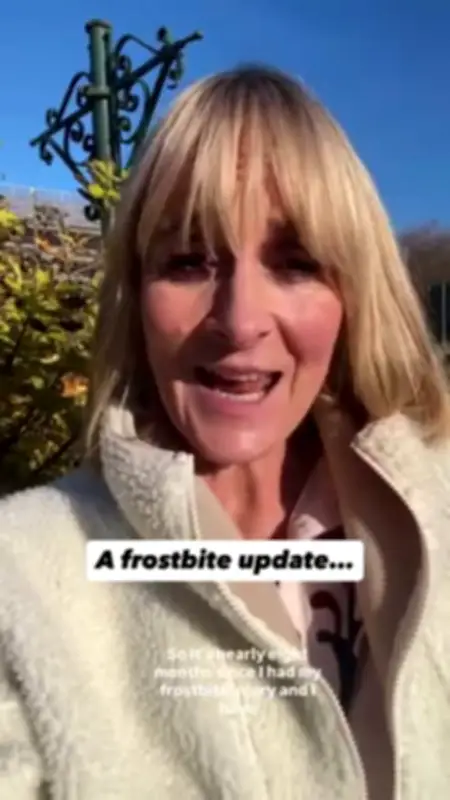
Louise Minchin has finally recovered from frostbite injuries sustained during an Arctic cycling challenge, eight months after being rushed to hospital. The BBC presenter, 58, said her fingers and toes have healed as much as possible following treatment.
Eight-month recovery after Arctic ordeal
The Rip Off Britain and Morning Live presenter was injured while attempting to cycle 300 miles in three days through Canada's remote Northwest Territories. She was forced to abandon the challenge in March alongside endurance athlete Mimi Anderson after both women became dangerously cold.
Minchin said: "Eight months since I attempted to cycle 300 miles in the Arctic I have some good news. My fingers and toes are as healed as they can be after my frostbite injuries and I can finally get back to the things I love to do swim, run, cycle and enjoy getting fit and being outdoors."
Treatment and release from care
She added: "It has been a difficult journey that I hadn’t expected and I couldn’t have got to this point without amazing doctors and nurses looking after me and the love and support of family and friends and many other people who have expressed their sympathy."
"I have been released from the care of the lovely doctors as my hands and toes are as healed as they will be, which is good. It does mean that I can finally go back to swimming, running, cycling but I will be starting right from the beginning again. But what a relief."
Challenge abandoned in extreme cold
The pair had been attempting the Inuvik Weekend Warrior Fat Bike Challenge, a three-day expedition across frozen rivers, remote highways and Arctic wilderness, to raise money for the Duke of Edinburgh Award. Just 14 hours into the challenge, and a little over a quarter of the way through their planned distance, they withdrew.
At the time, Minchin said: "We are out of the race but we are safe, warm and being well looked after." She later revealed the pair had covered around 140km in temperatures as low as minus 40C, adding: "When we got to this point both of us knew we were very dangerously cold. The combination of the temperature and wind meant despite having prepared as much as we could have it was a huge risk to go on."