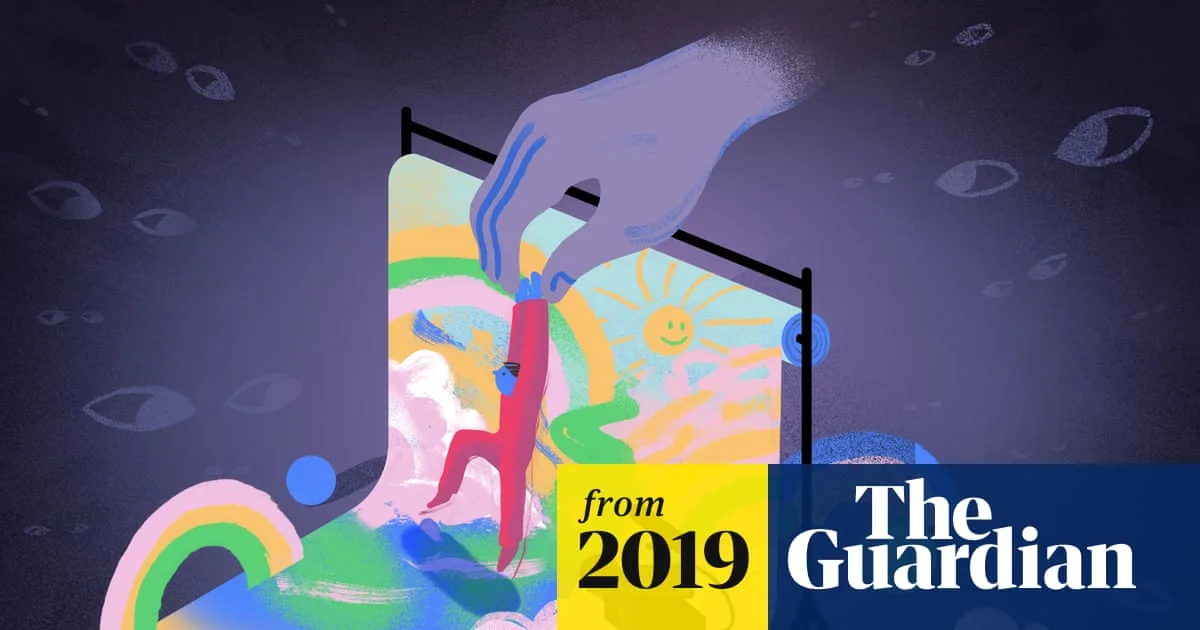
Children are earning millions on YouTube and Instagram through influencer deals and ad revenues, but legal experts warn that California’s child labour protections—designed for Hollywood—are not being applied to these digital stars. Former child actress and California state senator Sheila James Kuehl, co-author of the state’s 1999 child performer law, said the situation is akin to “Uber but for … child labour,” with technology sidestepping regulation.
Kuehl, who started acting at age eight, told the Guardian that unboxing toys or performing in vlogs constitutes work if money is being made. “It is not play if you’re making money off it,” she said. She called for the law to be amended to cover social media, noting that parents and platforms need to change practices or face regulatory action.
Some parents of kidfluencers argue the children enjoy the activities. Ami McClure, mother of twins Alexis and Ava, said in a Guardian interview: “The thing I always stress is that we work, the girls do not.” She and her husband quit their jobs to manage their daughters’ careers, securing deals like a promotion for Facebook’s Portal. However, other accounts reveal pressure: Bee Fisher, mother of three Instagram-famous boys, told Wired that on paid work days, “they have to be there. We always have lollipops on those days.”
A more extreme case involved Machelle Hobson, an Arizona woman charged in March with abusing five of her seven adopted children. Police documents stated the children were forced to participate in her YouTube channel, Fantastic Adventures, and were disciplined if they did not recall lines or participate as directed. The case highlights potential exploitation risks when children’s online activities are monetised.
Kuehl emphasised that the law needs to catch up with technology to protect minors from exploitation by parents or other adults. The major platforms, YouTube and Instagram, are based in California, yet the state’s strong child labour laws for performers are not regularly applied to kidfluencers, leaving a regulatory gap.