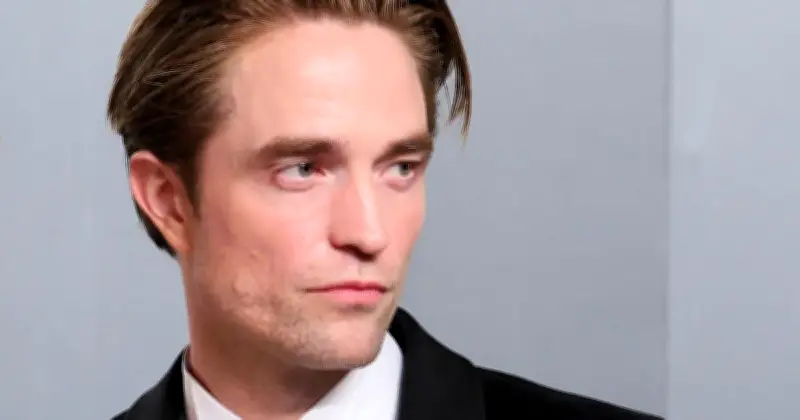
Four former Bond Girls have shared their views on how the franchise's female characters have evolved and what they hope to see from the next generation of women starring opposite Robert Pattinson, who has been announced as the new James Bond.
Evolution of the Bond Woman
Since the first Bond film, Dr No, in 1962, the Bond Girl has been an integral part of the franchise. Sylvia Trench, played by Eunice Gayson, was technically the first to appear on screen, meeting Bond at a London casino table and inspiring his iconic “Bond, James Bond” introduction. But it was Swiss actress Ursula Andress as Honey Ryder who set the standard for all that followed, famously emerging from the sea in a white bikini.
That first film also introduced Miss Moneypenny, played by Lois Maxwell. M's intelligent and loyal secretary was immune to Bond's charms, unlike the women he pursued on his travels, who in those early films were often little more than eye candy.
But, much like Bond himself, the women have evolved. Even the names became a little less ridiculous over time – although Honor Blackman's Pussy Galore remains one of the most memorable creations. The biggest shift has been from glamorous love interests and damsels in distress to intelligent, independent characters with their own ambitions and skills.
Bond's female counterparts have become intelligence agents, scientists and capable allies, often matching or even outsmarting 007. So as a new era approaches, what comes next for the women who share the screen with Bond?
Four Former Bond Girls Weigh In
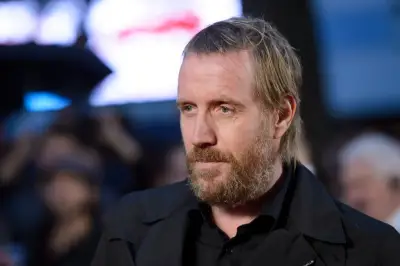
Anna Smith, film critic and host of the Girls On Film podcast, said: “We've seen the Bond women develop considerably over the last few years, and he's met his match a few times. I'd love to see that continue and evolve. I'd like to see Bond involved with a woman who is a similar age or older; with her own full backstory and agency.”
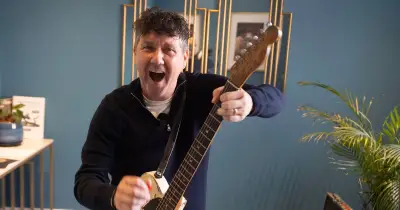
Martine Beswick, who played Zora in From Russia with Love (1963) and Paula Caplan in Thunderball (1965), is one of a handful of Bond actresses who appeared in two films in the franchise and was the first to do so. Now 85, she describes her status as a Bond Girl as a “sisterhood”. “There really is something about a Bond girl. Each one is unique and has a strong personality, and I love them for it,” she says.
While the role might appear to have evolved over the years, Martine isn't convinced that is the case. “It might have changed from the early days, but that was only because of what we looked like and who we were and what the 60s were,” she says, acknowledging the constraints of the era. “It hasn't changed the women. I don't really see that much difference because my darling friend, Luciano Paluzzi, was a fabulous villain in Thunderball. I mean, she could definitely hold her own with Bond.”
She advises any women who join the franchise: “I would say, be your authentic self, and bring that self into your character, because that is what wins out in the end. [In my case] I'm really independent and strong, and also have a sense of humour. You've got to match Bond in a way.”
Advice for the Next Generation
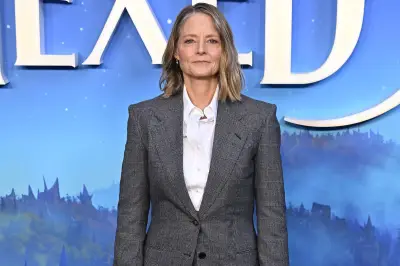
Madeline Smith, who played Miss Caruso in Live and Let Die (1973), was the very first Bond Girl of the Roger Moore era. The 77-year-old, who is currently touring in Kenneth Williams: A Centenary Celebration, says: “I've been reflecting on my part and how we were, all of us, objectified. There is no question about it. We were there to look good.” She insists that she doesn't feel anyone of the female stars who appeared in the 007 franchise were “hurt” by the experience.
Madeline thinks the Bond universe has evolved over decades. “They were more fantasy films in those days,” she explains. “Nowadays they're more gritty and real. But I do hope that [Amazon MGM Studios] will take both the women and the men back to the original storylines, and not try to make it too Mission Impossible.”
As for where the ‘Bond girl’ character should go next, she says: “It's very important that we keep glamour, but that the women should be relatively intelligent. They don't have to be sporting degrees and PhDs all over the place. They don't necessarily need to be 16 years old. I think we need a variety, and good actresses. There are hundreds of them around, and it's essential that we have a female element, of course.”
Gloria Hendry, who played Rosie Carver in Live and Let Die (1973), made cinema history as the first African-American woman to become romantically involved with 007. Now 77, she is keen for the female roles to take the evolution even further. “I would like them to continue on doing what they left off in the recent films, with a Bond woman or another female agent. I think they should always have one of those, and also to one day have a female Bond. Bond is a pseudonym. It's just a code name. They could do that,” she says.
Maryam D'Abo, who played Kara Milovy in The Living Daylights (1987), says: “[Over the years] the roles were more meaty, and the Bond Girls became more even with Bond…They got stronger and had their own voice. So there has been an evolution.” In 2002 she produced the documentary Bond Girls Are Forever. As for her advice to any new Bond Girl contenders, she suggested they become “more independent keeping the femininity”. “I would just give as much of your own self in the part as possible and enjoy it,” she adds.