London Book Fair 2024 Concludes with Major Deals and Industry Debates
The annual London Book Fair wrapped up on Thursday after three bustling days at Olympia, attracting approximately 33,000 professionals from the book industry. Agents, publishers, authors, and other stakeholders gathered to negotiate deals and discuss critical issues shaping the future of publishing. This year's event highlighted significant literary acquisitions, emerging trends, and pressing challenges facing the sector.
Starry Deals and Trending Genres
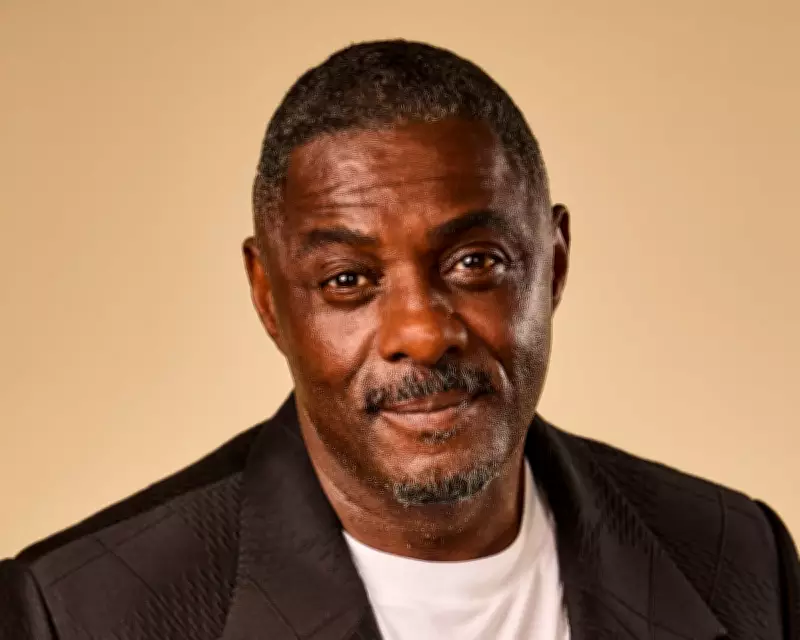
The most high-profile announcement was a new thriller series co-authored by actor Idris Elba. The plot follows an MI6 field operative deployed to Mauritius to investigate an attempted murder, promising suspense and international intrigue. Other notable deals included rights for Sir Alex Ferguson's first autobiography in thirteen years, broadcaster Mishal Husain's debut children's book, and a biography detailing the life of designer Paul Smith.
Fantasy and romantic comedy genres saw strong interest, with acquisitions like journalist Moya Lothian-McLean's "sharp, sexy romantic comedy" titled Matchmakers. Shannon Chakraborty secured a seven-figure sum for two adult fantasy books. Nonfiction topics driving deals included GLP-1 medications, sober curiosity, and assisted dying, reflecting current societal interests.

National Year of Reading Initiative
A major talking point across numerous panels was the government's National Year of Reading campaign. Dan Conway of the Publishers Association revealed its origins in late 2024 during a meeting in the House of Lords with Penguin chair Gail Rebuck, who proposed the idea. Campaign director David Hayman reported progress, with 16,000 volunteers recruited towards a target of 100,000. Rebuck encouraged international publishers to adopt similar initiatives using the UK's framework.
However, Rosemary Thomas of the National Literacy Trust injected a note of realism, stating, "Behaviour change doesn't happen in a year," and described the campaign as a "launchpad" rather than a comprehensive solution.
Censorship Concerns and Diversity Challenges
English PEN's literary salon hosted debates on some of publishing's most urgent issues. One panel examined whether US-style book censorship is spreading to the UK. While anecdotal evidence suggests increasing removal requests for LGBTQ+ titles in libraries, a lack of data complicates assessment. Alison Hicks, an associate professor at UCL, noted that challenges in the UK typically come from individuals like parents and headteachers, rather than organised groups as seen in the US.
Louis Coiffait-Gunn, CEO of the Chartered Institute of Library and Information Professionals, emphasised the need for better evidence, warning of "rising censorship as the UK catches a cold from America's current ailments."
Another discussion focused on rollbacks in diversity, equity, and inclusion. Selina Brown, founder of the Black British Book Festival, reported seeing fewer books by Black authors in pitch meetings annually, citing "deeply embedded" stereotypes in the industry. Author Nikesh Shukla highlighted that some books published after George Floyd's murder were rushed without adequate editorial support, pressuring authors to pivot from their original creative visions.
Authoritarianism and Publishing Freedom
The impact of authoritarianism on publishing was also addressed. Arabella Pike, publishing director at William Collins, defended books like Putin's People and Kleptopia against intimidatory lawsuits. She discussed HarperCollins' decision to continue selling fact-checked books in Russia post-invasion, arguing it was crucial for access to uncensored information.
Author Kit Fan, who renounced his Chinese citizenship, stated that authoritarian leaders "are shit-scared of these things called books," noting that totalitarian regimes often target records and literature to control narratives.
The London Book Fair 2024 underscored a dynamic industry navigating commercial opportunities while confronting significant ethical and political challenges, from censorship threats to diversity commitments.