The Maverick Explorers Who Documented America's Vanished Wilderness
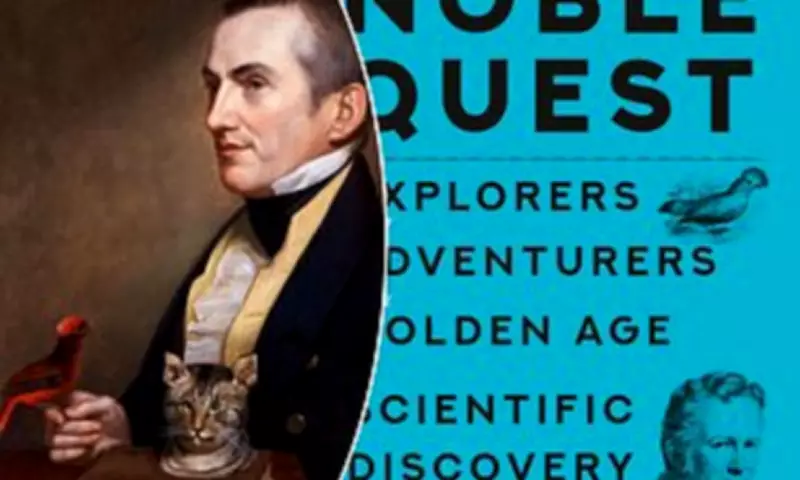
From the 1700s through to the early 1900s, the untamed natural wonders of the New World captivated a remarkable breed of adventurers. In his compelling new publication, author Bown presents a vivid gallery of these maverick and eccentric figures—'gentlemen-naturalists' hailing from both America and Europe—who embarked on ambitious quests to discover and catalogue the infinite variety of the American continents.
A Lost World of Unfenced Plains and Bison Herds
It is difficult not to feel a profound sense of nostalgia for the landscapes these explorers witnessed. The Great Plains, once an unfenced grassland stretching over 1,000 miles, teemed with vast herds of bison and antelope, alongside deer and wolves, creating an ecosystem more reminiscent of Africa's Serengeti than the modern American Midwest. Today, as Bown notes, those same plains have been transformed into 'primarily fertiliser and pesticide-dependent cropland,' domesticated to sustain a global population that has exploded from 1.6 billion to over 8 billion in just a century.
Encounters with Indigenous Cultures and Survival Against the Odds
Nostalgia also extends to the rich indigenous cultures these men encountered during their travels. One explorer, Prince Maximilian of Wied, found himself near death from scurvy until local Native Americans brought him wild onions—rich in vitamin C—saving his life. Another, the Scotsman John Richardson, was notably enchanted by the local women, describing in a letter to his wife their 'raven hair dripping with unguents... twin rows of ivory teeth, gracefully contrasting with their lovely bronze features.' One can only hope his spouse did not take offence at such vivid descriptions.

These individuals demonstrated extraordinary toughness, venturing into the wilderness without any modern conveniences such as GPS or antibiotics. Their primary medical recourse was often opium. Remarkably, most survived into old age, with the tragic exception of David Douglas, who gave his name to the mighty Douglas fir. In Hawaii in 1834, he 'tumbled into a pit containing a wild bull and was gored to death.'
The Eccentricities of Charles Waterton and Unconventional Diets
The archetypal eccentric among them was Charles Waterton, a wealthy Englishman who continued climbing trees well into his later years and would astound dinner guests by scratching his head with his big toe. A dedicated explorer of Guyana and the Amazon, Waterton insisted on going barefoot despite frequent infestations of chegoes, 'a small flea-like creature that burrowed under the toenail and laid eggs in a flesh nest.' His culinary habits were equally unconventional, enthusiastically feasting on dishes such as 'boiled ant-bear and red monkey,' showcasing a pre-David Attenborough approach to wilderness dining.
The Hardship of Returning to Civilisation
After spending months or even years wandering the wilderness, many of these explorers found the return to 'civilisation' almost unbearable. This sentiment is understandable when reading accounts like that of William Bartram, an early traveller in Florida, who would fry fish caught from the region's pristine rivers and add a squeeze of juice from wild oranges plucked directly from overhanging branches.
The Legacy of Amateur Curiosity
In time, the methods of these gentlemanly amateurs were superseded by the more rigorous academic disciplines of modern biology and zoology. Yet their antiquated, haphazard approach and boundless curiosity remain integral to their enduring charm. This delightful book offers a captivating glimpse into their world, perfect for any armchair explorer yearning for tales of adventure and discovery in America's lost wilderness.