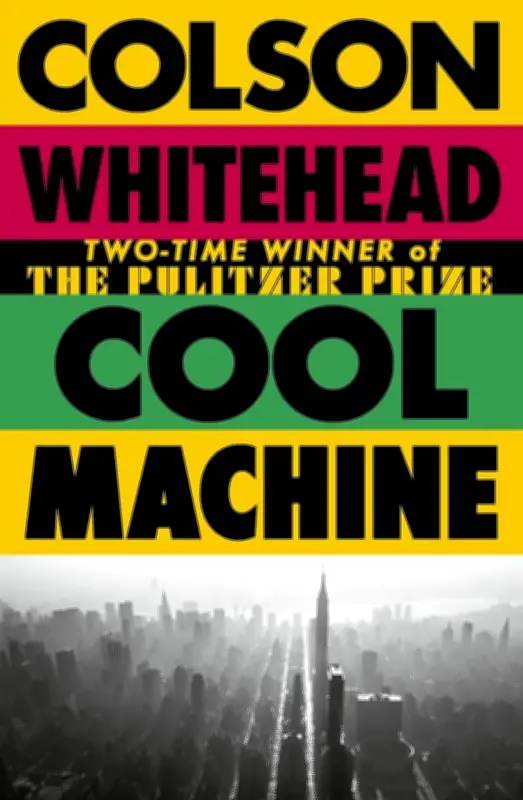
Colson Whitehead's Cool Machine, the final volume of his Harlem Trilogy, delivers a masterful blend of molls, dolls, and deadpan humour. After reading any chapter of this series, one feels immersed in an operatic Damon Runyon tale, complete with Broadway-laden side-eyes and pitch-perfect colloquialisms. The novel reads like a widescreen social drama ready for adaptation, following furniture salesman Ray Carney as he navigates the uneasy divide between respectability and crime.
The Story of Ray Carney
Ray Carney, first introduced in Harlem Shuffle and continued in The Crook Manifesto, is a furniture dealer who supplements his income by discreetly fencing stolen goods—a connection to the criminal world inherited from his father. In Cool Machine, his official career has been crowned with the award of District Salesman of the Month (North West) and a trade magazine profile. However, his wife Elizabeth needs money for her new travel company, which dullard bankers refuse to fund for a black woman, forcing Ray to step in.
Three Interconnected Sections
Told in three interconnected sections like its predecessors, the novel follows Ray as he navigates the uneasy divide between respectability and crime. Against the backdrop of a changing Harlem in Ronald Reagan's America, he is forced to make difficult choices about ambition, loyalty, family, and survival. The book combines the pace of a crime novel with a portrait of New York, including its hidden underworld, creating a social drama with a non-fiction spine.
Themes and Style
Whitehead explores themes of race, class, identity, and social mobility. Cool Machine is both an engrossing heist story and a nuanced examination of the moral compromises people make in pursuit of a better, or at least more fully funded, life. The book has shades of Tom Wolfe, if Tom Wolfe had been a very different writer. It is also extremely funny, with deadpan humour woven throughout the narrative.
According to Dylan Jones, author of Table Hopping: The Secret History of London Restaurants from Langan’s Brasserie to the Wolseley, published on October 1, Whitehead's trilogy stands as a triumph of storytelling. The book is a fitting conclusion to a series that has captivated readers with its vivid characters and sharp social commentary.