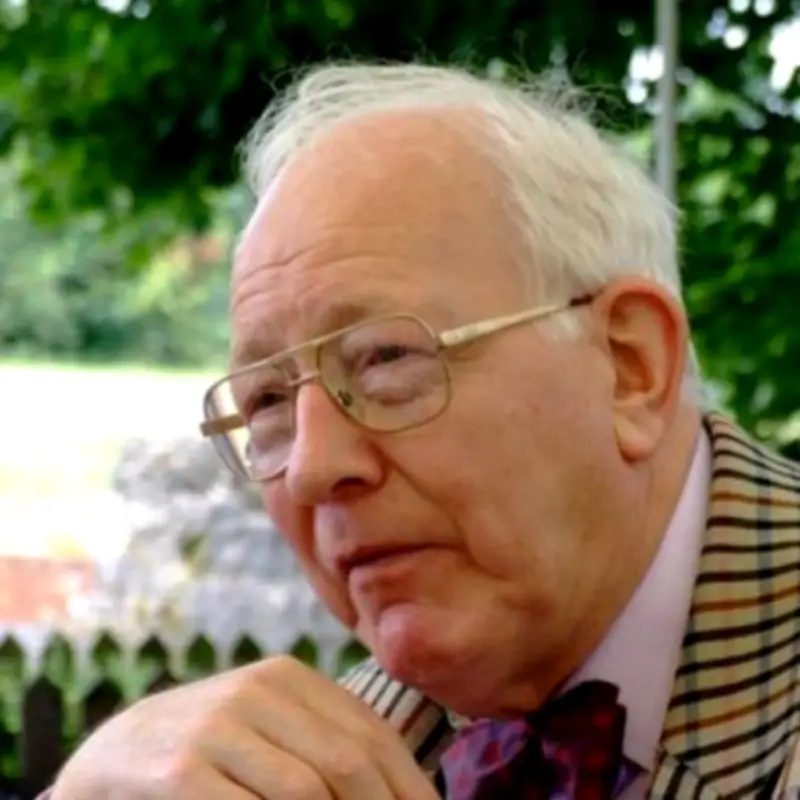
John Featherstone, a gentleman photographer who possessed a remarkable common touch, has died at the age of 93. Colleagues remember him as a man who could converse equally with royalty and the most humble of citizens.
A Life Behind the Lens
Working alongside John Featherstone was an absolute pleasure. Always impeccably dressed and courteous, he would address people as "dear boy." However, when it came to capturing that elusive photograph, he was determined, relentless, and an excellent mentor. His playful sense of humor made work enjoyable. He was also a dedicated trade unionist whose efforts led to improved pay and working conditions for many at the Manchester Evening News.
John, who passed away at 93, was not only a skilled photographer but also possessed cunning and charm. These traits proved invaluable when he and a reporter attempted to interview a woman whose rabbi husband was allegedly having an affair; Salford women who had cornered a coach driver in the gents' toilet after exposing his scam with a bingo caller; and while searching for the address used by fraudsters in Manchester city centre.
When the journalist arrived at the M.E.N. in 1987, John, affectionately known as "Feathers," was at his peak. It was a different era when photographers and reporters often worked in tandem. He watched the reporter's back and instinctively knew when to speak and when to remain silent while engaging with the public during moments of grief, joy, and drama.
Union Work and Mentorship
John also served as the northern representative for the Newspaper Press Fund, which provides financial support and advice to struggling journalists and was founded by Charles Dickens. Following his death, Clive Cooksey, former deputy picture editor at the M.E.N., described him as "a great guy, with a lot of personality. He could get people chatting at a moment's notice." Clive recalled how, when a difficult and sensitive task arose, such as asking a grieving family for a photo of a loved one, John was the first person he would call. "Nine times out of ten he would come back with a picture," Clive said.
John and Clive remained close after both retired in the mid-1990s, visiting each other and taking turns to bring champagne. Judy Gordon, a former M.E.N. sub-editor and union leader, noted that he was "a real character and a tremendous trade unionist." Former reporter Bernard Spilsbury expressed his sorrow, calling John "a dedicated Father of the Chapel at the MEN" who did excellent work on behalf of colleagues. Newsdesk secretary Rita Bradshaw described him as "a real gentleman."
Family and Early Life
John died on May 26. He is survived by his wife Jean, daughter Carolyn, sons Martin and Stephen, and his grandchildren. He was predeceased by his brothers Joseph, Billy, and James, and is also survived by his younger brother Tony. He leaves six grandchildren.
His son Martin said: "During his distinguished career he photographed countless news stories, sporting events and human-interest features, earning the respect of colleagues across the newsroom. He was known for his determination to get 'one more picture' and for his willingness to go further than most in pursuit of the perfect shot." One memorable incident saw him fall into a water-filled inspection pit while photographing the aftermath of a garage fire. Although his camera equipment was ruined, the story became newsroom folklore and eventually led to the acquisition of a much-improved replacement camera.
Born on October 22, 1932, in Canterbury Street, Liverpool, he was the third of five sons of Cecilia and William Featherstone. His father worked in the fish and poultry trade and moved the family to Birkenhead during the Second World War, believing they would be safer from the Liverpool Blitz. The family took over a fish shop in Birkenhead, run by John's mother while his father continued wholesaling. John worked alongside his family from an early age, cutting and selling fish. Martin said: "Although rationing was a fact of life, the family never went hungry. The experience did, however, leave him with a lifelong aversion to eating fish."
Career and Legacy
Determined to pursue his own career, John discovered a passion for photography. He worked unpaid in Liverpool photographic studios before securing his first paid position with Birkenhead photographer Joe Birch. Earning £5 a week, he combined early-morning trips to the fish market with his duties as a photographer's assistant. Over five years he developed both technical skill and professional confidence, gradually taking on increasingly challenging assignments.
His talent eventually led him into newspaper photography. After a period with the Coventry Evening Telegraph, he returned to the North West when Manchester Evening News Picture Editor Tom Henry offered him a position. John joined in March 1958 at the age of 25 and remained there for the next 38 years until taking voluntary redundancy in 1996.
Colleagues remember him not only as a skilled photographer but also as a mentor, friend, and source of practical advice. Many younger photographers benefited from his generosity, experience, and encouragement. John was devoted to his family. In February 2026, he and his wife Jean moved to Haddon Hall Care Home in Buxton to be closer to their daughter Carolyn, who had cared for them while they lived in Heald Green, Stockport.
Martin added: "John's life spanned remarkable changes in British society, journalism and photography. From wartime Birkenhead and darkroom printing to the arrival of digital technology, he witnessed and embraced enormous change while remaining true to the values of hard work, fairness, loyalty and friendship."
Former colleague and photographer Bill Batchelor recalled how, during the high inflation of 1975/76, John played a key part in securing a substantial pay rise for staff. Along with the then Father of the Chapel, Ian McWilliam-Fowler, in 1977 they proposed a pay claim of 35 per cent to align with inflation after a two-year pay freeze. Bill said: "John was involved in negotiating a four-day week and sabbaticals of an extra month's holiday every four years. He also introduced 'welly' money, a claim for extra payment to buy weather protection clothing for photographers at soccer and rugby games."
John's funeral will take place on Wednesday July 1. A cremation service will be at 12.15pm at Macclesfield Crematorium, Prestbury Rd, Macclesfield SK10 3BU. A celebration of his life will be from 1.30pm to 4.30pm at the Alderley Edge Hotel, Macclesfield Road, Alderley Edge, Cheshire SK9 7BJ.