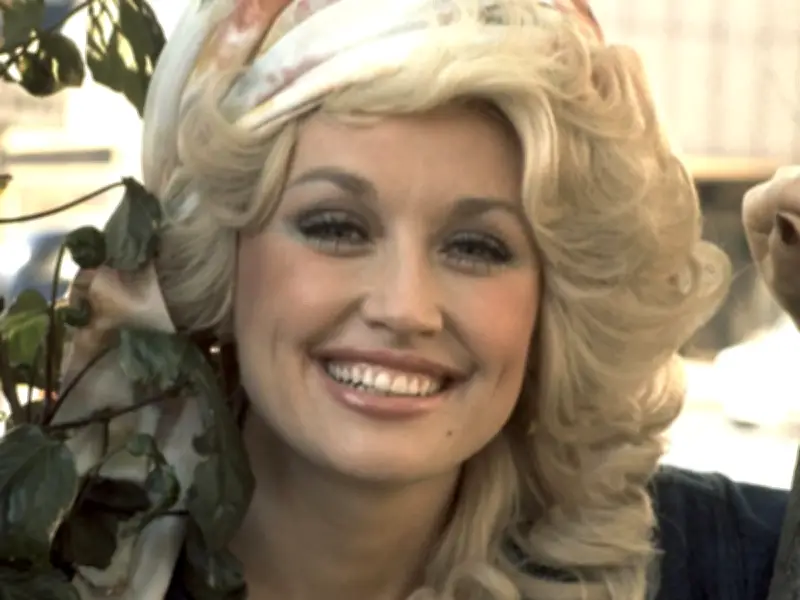
Dolly Parton, the country music icon who died at 78, was the only public figure in America to hold majority approval from Democrats, Republicans and independents alike, a poll earlier this year showed. Seventy per cent of Americans viewed her favourably, ahead of Barack Obama and twice as popular as Taylor Swift, with only five per cent not caring for her. In a nation deeply divided by politics, she stood as the nearest thing America has had to royalty.
A Unifying Force in a Divided Nation
For more than half a century, Parton rose above the political fray that has seeped into music, sport, television, beer, books, universities and even shops. She was loved in the deep-red towns of Tennessee and the bluest corners of New York and California, embraced by churchgoing conservatives, liberals, gay Americans, country music traditionalists and people who could not name another country song. She achieved this without becoming bland or cautious, understanding that you can believe strongly in something without despising those who disagree.
Her generosity crossed political lines because it was never wrapped in moral superiority. She supported gay people long before it became an easy position for celebrities, without turning support into a lecture. She was open about loving people who were different from her and equally clear that she would not spend her life hating those who disagreed.

From Smoky Mountain Poverty to National Treasure
Parton came from grinding poverty in the Smoky Mountains, one of 12 children raised in a tiny cabin, and never tried to airbrush it away once the money started rolling in. She built an empire but never lost sight of those who had grown up with nothing. Her Imagination Library has given away hundreds of millions of books to children. When wildfires devastated communities around her beloved Tennessee, she helped families rebuild. During Covid, she gave around £740,000 towards vaccine research that helped support development of Moderna's jab.
She made vast sums of money, wore diamonds and rhinestones with unashamed abandon, and never pretended she was above it. But she understood that fame carried a duty to do some good. Presidents wanted to honour her: Donald Trump twice offered her the Presidential Medal of Freedom, and Joe Biden later approached her too. She hesitated because she feared accepting it would be seen as political.
A Legacy of Belonging to Everybody
Parton's songs — Jolene, 9 to 5 and I Will Always Love You — became woven into American life because they were rooted in emotions that did not require a party membership card. She believed heartbreak, work, love, jealousy, struggle and hope belong to everyone. Her passing feels larger than the loss of a country music legend, however towering that musical legacy may be.
America has lost one of the very few figures who could still walk into a room and make both sides lower their guard. She listened, she gave, she laughed, and she stood up for people without demanding that everyone around her think exactly as she did. The closest thing America had to royalty never needed a crown. What made Dolly Parton remarkable was that for 60 years, she managed something far harder: she belonged to everybody.