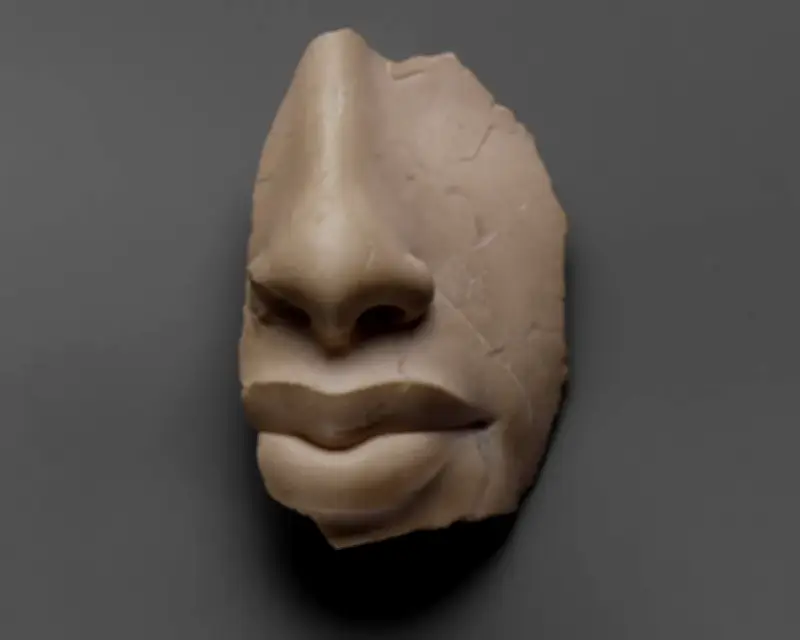
A new exhibition in Florence explores why broken sculptures can have more emotional power than intact ones, featuring over 80 objects including a fragment of a statue of 14th-century BC ruler Akhenaten showing his nose and mouth.
The allure of the fragment
The sculpture of Akhenaten's lips, described as stern, sensuous, and almost kissable, is among the objects on display at the Palazzo Strozzi. According to CD Dickerson, an expert in Renaissance and baroque art and co-curator of the show, fragments focus attention on details that might otherwise be overlooked. "You wouldn't have considered the subtle way that the lip has been crisply carved in this stone if it had been part of a bigger statue with a bunch of other features," he said.
Historical fractures
The exhibition, titled Broken: The Power of Fragments, includes a decapitated statue of a kneeling prior from Romainmôtier in Switzerland, likely beheaded during the Protestant Reformation, and a dismembered foot and hand of King Louis XIV from a monument destroyed during the French Revolution. A bust of Mussolini by Adolfo Wildt has a bullet hole through the forehead.
Co-curator Andrew Sears explained that destroying images during regime changes was a common practice in the ancient world, as images were believed to contain a life force of the ruler. Some defaced sculptures, like a 19AD bust of Germanicus, were displayed as deterrents.
Intentional breakage
The exhibition also explores brokenness as more than a result of historical fractures. A section called Sculpting the Fragment features a dogū figurine from ancient Japan, which may have been intentionally smashed in ceremonies similar to modern birthday pinatas. Dickerson noted, "It's very clear that the culture was to make these sculptures to intentionally break them, and for communities to share pieces with each other."
From the Aztec capital of Tenochtitlan, a statue that was intentionally decapitated during a temple rebuild suggests the Mexica understood completion to be unattainable. The exhibition also includes a Michelangelo terracotta model of a headless and armless woman, which was deliberately sculpted as a fragment in homage to ancient antiquities.
Contemporary takes
The show culminates with contemporary works, such as a Louise Bourgeois foot and Julius von Bismarck's collapsable equestrian statue. The exhibition runs at Palazzo Strozzi, Florence, from 25 September 2026 until 24 January, and at the National Gallery of Art, Washington, from 13 March to 27 June 2027.