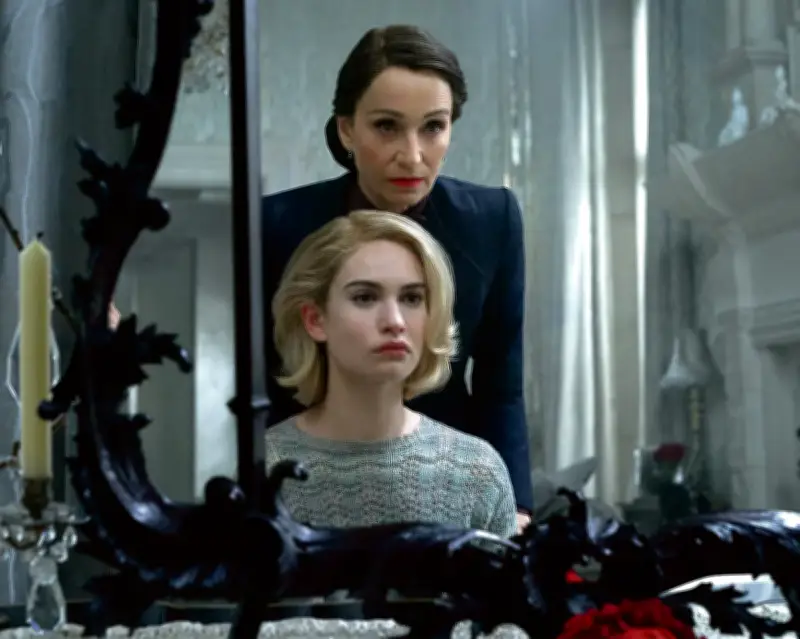
Rose Tremain's 17th novel, The Housekeeper, pays homage to Daphne du Maurier's Rebecca by imagining the events that might have inspired it. The book expands Tremain's 2014 short story of the same name, included in her collection The American Lover.
The protagonist is Lilianne Danowski, a Polish Jew who fled the pogroms with her father as a child and presides over a large staff at Manderville Hall near Fowey in Cornwall. When Du Maurier comes to lunch, Danowski, known as Danni, shows her around the house, encourages her to look through the clothes in her dead mistress's bedroom, and takes her down to the boat house. After a passionate year-long affair with Du Maurier, Danni is twisted into the malevolent Mrs Danvers.
A masterclass in 1930s restraint
The married Du Maurier was violently attracted to women, and her closeted attitude towards her own sexuality lends Rebecca much of its darkly erotic charge. In the 2014 story, Tremain echoes that tension with her impeccable instinct for period. Danni is undone by Du Maurier, her careful armour torn away, yet bound by the long habit of discretion, so she proves a tight-lipped narrator. When Du Maurier cuts her off, Danni scrabbles for ways to excuse her. It is the discovery, more than a year later, that Du Maurier has immortalised her as the bitter and conniving Mrs Danvers, “ugly and diseased with jealousy”, that devastates her.
What moved Tremain to return to the story after a decade was it becoming a film. The Housekeeper, starring Anthony Hopkins and Helena Bonham Carter, is slated for upcoming release; Tremain wrote the screenplay.
A softer, less substantial story
The novel opens with Danni declaring, “Last night I dreamed I saw Daphne again,” recalling one of the most celebrated first lines in literature. Tremain's novel abounds with references to Rebecca and Du Maurier – Daphne even confesses her fear that swooping gulls might take them for prey – but its greater scope gives it none of Rebecca's subversive complexity. The story has fattened, its devastating reserve giving way to something softer and less substantial.
Peripheral characters swell into caricature: Lord de Whithers becomes bumbling Lord Grenville-Whithers, while his self-absorbed niece solidifies into a screaming harpy. Danni's dead father is recalled in aphorisms more akin to fortune cookies than philosophy. More critically, the exquisite tension between Daphne and Danni fails to hold. With pages to play with, Tremain takes us deep inside their affair, but the scenes remain curiously bloodless: hands and lips and tongues but no fire, no heart.
Missing the malignity of Rebecca
Du Maurier famously called Rebecca “a study in jealousy”, but the lurching sense of malignity and darkness that gave that novel its vertiginous tension is missing here. Without it, Daphne's final terrible betrayal of Danni feels like petty spite.
“What am I to do with you, Danni? How am I to make you come alive?” Daphne demands teasingly in the opening pages. Du Maurier faced just that problem with Rebecca and pulled it off spectacularly, creating a woman of such toweringly vengeful, transgressive authority that, even in death, she rises up to dominate the book. Tremain has done the opposite. By stripping her Danni of her fierce, quiet dignity, she has robbed her of her power.