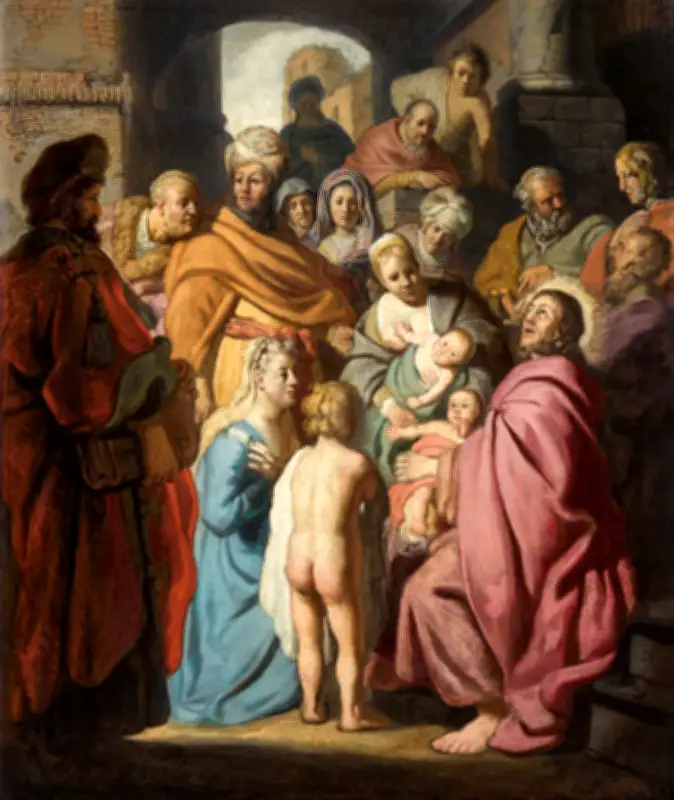
Restorers have uncovered that a painting by Rembrandt van Rijn was altered after his death to remove a turban from the head of a figure in the artwork. The discovery was made during a routine conservation project at the Louvre Museum in Paris, where the painting, titled "Portrait of a Man with a Turban," has been housed since the 19th century.
Discovery of the Alteration
Using X-ray imaging and infrared reflectography, conservators found that the turban was originally painted by Rembrandt but was later overpainted with a dark hat, likely in the 18th century. The alteration was intended to make the figure appear more European, reflecting the prevailing cultural biases of the time. The original turban, a symbol of Eastern exoticism, was deemed inappropriate for a portrait of a respectable gentleman.
Details of the Painting
The painting, believed to date from the early 1630s, depicts a man with a beard and a serious expression. The turban was a common accessory in Rembrandt's works, as he often used exotic costumes to add drama and character to his portraits. The overpainting was executed with skill, but modern technology revealed the underlying layers.

Impact on Art History
According to Dr. Marie Dupont, the lead conservator at the Louvre, "This finding changes our understanding of Rembrandt's intentions and the social pressures that influenced later alterations to art." The discovery highlights how art has been modified to suit changing tastes and prejudices. The Louvre plans to restore the painting to its original state, removing the overpaint to reveal the turban once again.
Restoration Process
The restoration is expected to take several months. Conservators will carefully remove the overpaint using solvents and scalpels under a microscope. The process will be documented and shared with the public through the museum's website. The restored painting will be displayed in a special exhibition later this year, focusing on Rembrandt's use of costume and the history of the painting's alterations.