Scottish author Peter May has died at the age of 74. Best known for the Lewis Trilogy, his death was confirmed on Monday (September 28). Regarded as one of the best crime fiction writers, The Blackhouse author also had a special connection to one remote Scottish island, which featured heavily in his novels.
A connection that began in 1991
May's connection with the Isle of Lewis began in 1991, when he travelled to the Outer Hebrides to work on a new television drama. The author was there researching the area for the Gaelic soap opera, Machair, which began filming the following year. May spent the next five years working on the series, but his relationship with Lewis did not end when the programme did.
Instead, the Isle of Lewis became a place he kept returning to. Writing for The Guardian in 2024, May described his relationship with the island as a "passionate love affair". He recalled arriving in the Outer Hebrides for the first time and hearing an old joke about passengers being told to turn their watches back "two hundred years".
A setting for his novels
For May, the joke captured the essence of Lewis perfectly. He believed that every time he arrived it felt like stepping back in time, into a place where the landscape and way of life had barely changed. More than three decades later, he was still drawn back to Lewis. The island became the setting for many of May's books, including The Blackhouse, The Lewis Man and The Chessmen.
The novels, which focused on detective Fin Macleod, brought the island to readers around the world. Lewis is a major part of those stories. Its beaches, open moorland, lochs and harsh wintery weather provided much of the background, landscape and setting. Although the scenery interested May, it was more than that. Gaelic culture, crofting, local history and the sense of community on the island, always found their way into his writing.
Returning to Lewis
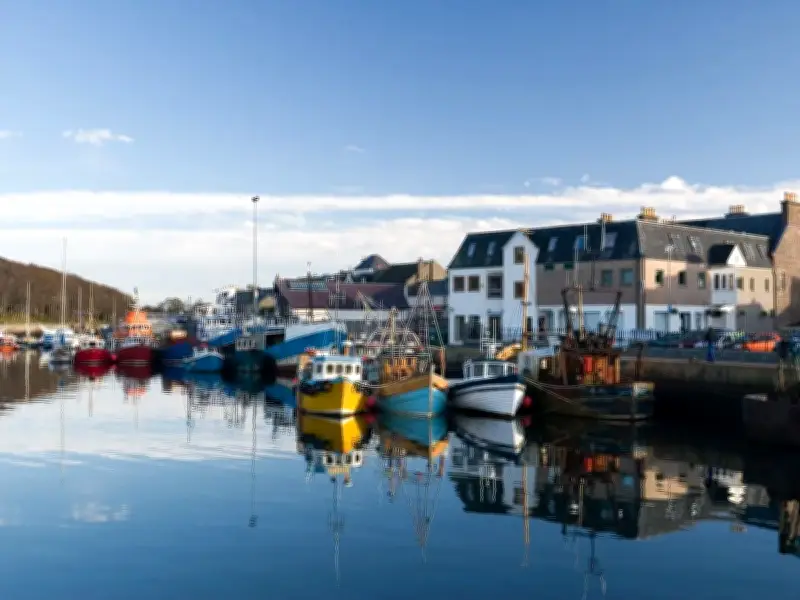
He returned to Lewis in 2023 to research for his novel The Black Loch, having been unable to visit during the Covid pandemic. The time away had given him a different perspective of the place he loved so much. However, he found much of the island remained the same. Writing about returning to the island and walking through Stornoway, he said: "So much change. And yet." May claimed the landscape had remained exactly as he remembered it, and it was like he had never left.
The beaches were still largely empty, the wind still swept across the island and the vegetation gave the place its familiar appearance. He even found himself thinking back to his first journey there in 1991. May wrote: "Taking the road from Harris up the east coast, I could almost believe that a time machine had returned me to that bitter cold February in 1991 when I first drove my car off the ferry at Tarbert and headed north to Ness and my appointment with destiny."
Lewis is now closely associated with May's work. The Calanais Standing Stones, the beaches, the moors and the small communities of the island all became part of the world he created in his books. May may have died at his home in the south of France over the weekend, but his connection with Lewis remains one of the defining parts of his career. What began as a television job in 1991 turned into something much bigger. May found an island he could use as the setting in his novels, and in return he introduced Lewis to thousands of readers across the world.