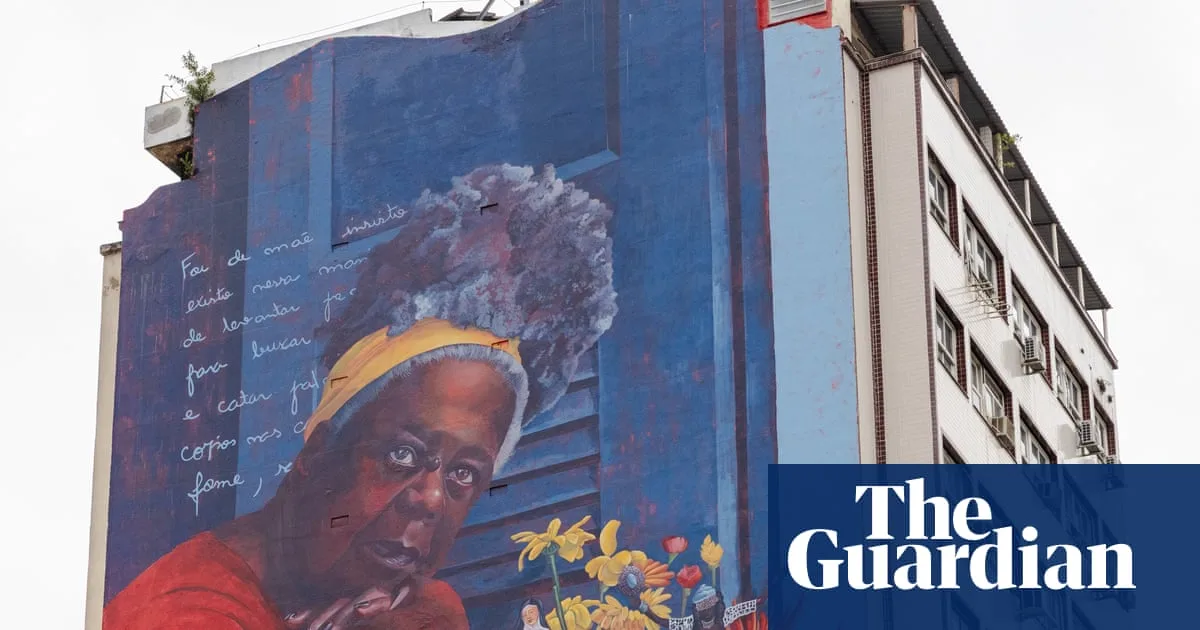
Despite a majority Afro-descendant population, fewer than 10% of public monuments in Rio de Janeiro commemorate Black people. A mural project, NegroMuro, is seeking to redress this imbalance by creating large, colourful portraits of notable Black figures across the city.
Created in 2018 by researcher Pedro Rajão and visual artist Fernando Sawaya, the project now comprises 80 murals depicting around 120 people. The works are painted on walls of schools, museums, train stations and private homes, focusing on areas far from the tourist-heavy south zone.
Most murals are located in the north zone, a deliberate choice to highlight neighbourhoods that receive less investment despite being home to a significant share of the population. The project was recently recognised by law as part of Rio's intangible cultural heritage.

Subjects include writer Joaquim Maria Machado de Assis and feminist activist Lélia Gonzalez. The project began with a mural of Nigerian musician Fela Kuti, who never visited Brazil. One of their most famous works depicts city councillor Marielle Franco, painted the morning after her assassination in 2018.
Rajão and Sawaya fund the project through government support, private companies and crowdfunding. They also run workshops, guided tours and have published a colouring book. The duo are now being commissioned to create murals in other Brazilian cities.