A new discovery in Egypt has raised hopes that the mystery of Alexander the Great's tomb may finally be solved. Archaeologists have uncovered a monumental structure in the Royal Quarter of ancient Alexandria, believed to be a burial complex.
Alexander, a warrior king whose empire spanned three continents, died in 323 BCE and was buried in the city of Memphis. His body was subsequently moved to Alexandria, one of the many cities named after him. But any mention of the tomb had vanished from records by the 4th or 5th century, and experts believe it was damaged or buried by natural disaster or civic upheaval.
Discovery in the Royal Quarter
Historical accounts suggest the tomb housed the remains of Ptolemaic rulers who came after Alexander. There is also the tantalising possibility that the warrior king himself may have been laid to rest at the site.
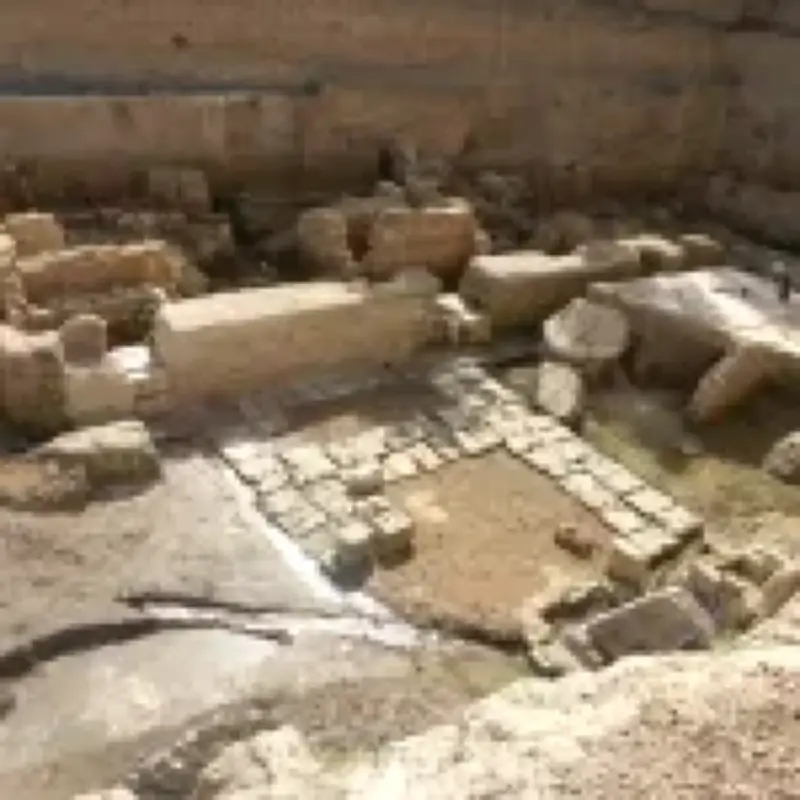
Researchers have yet to conclusively establish the building's identity, but its location, monumental proportions and architectural characteristics indicate that it was used as a tomb. The remains include large stone structures surrounded by walls as well as a tunnel running beneath the building towards the north.
A specialist scientific committee has been appointed to examine the discoveries and assess their significance. Part of the investigation will involve comparing the site with the topographical map of ancient Alexandria and tracing the full extent of the foundations.
Expert Assessment and Historical Context
Dr Hisham Al-Lithi of Egypt's Ministry of Tourism and Antiquities said the committee's initial assessment confirmed the 'importance of the discovery, particularly because of its location within the Royal Quarter.' He added that the findings could open up new areas of research into royal complexes in Alexandria.
Further archaeological and architectural investigations would be needed to establish the buildings' precise function and their relationship with surrounding sites, he said.
Alexander the Great was one of history's most successful military commanders, building a vast empire encompassing Greece, Egypt, Persia and parts of India. The Macedonian king, who died at just 32, never lost a major battle, and his conquests helped spread Greek culture across much of the ancient world.
Long Search for the Tomb
His tomb was mentioned by Zenobius, a Greek writer of the second century, who noted that Ptolemy IV Philopator had constructed a funerary monument for his ancestors, including his mother and Alexander. The ancient Greek geographer and historian Strabo also described the burial complex in his Geography.
Archaeologists have been hunting for Alexander's tomb since the 19th Century. A recent push by Greek and Egyptian teams has redoubled efforts over the past two decades. They have been investigating the Shallalat Gardens archaeological site, where the latest tomb was found. This could provide valuable evidence for research into the city's archaeological sites, raising hopes Alexander's tomb may one day be found.