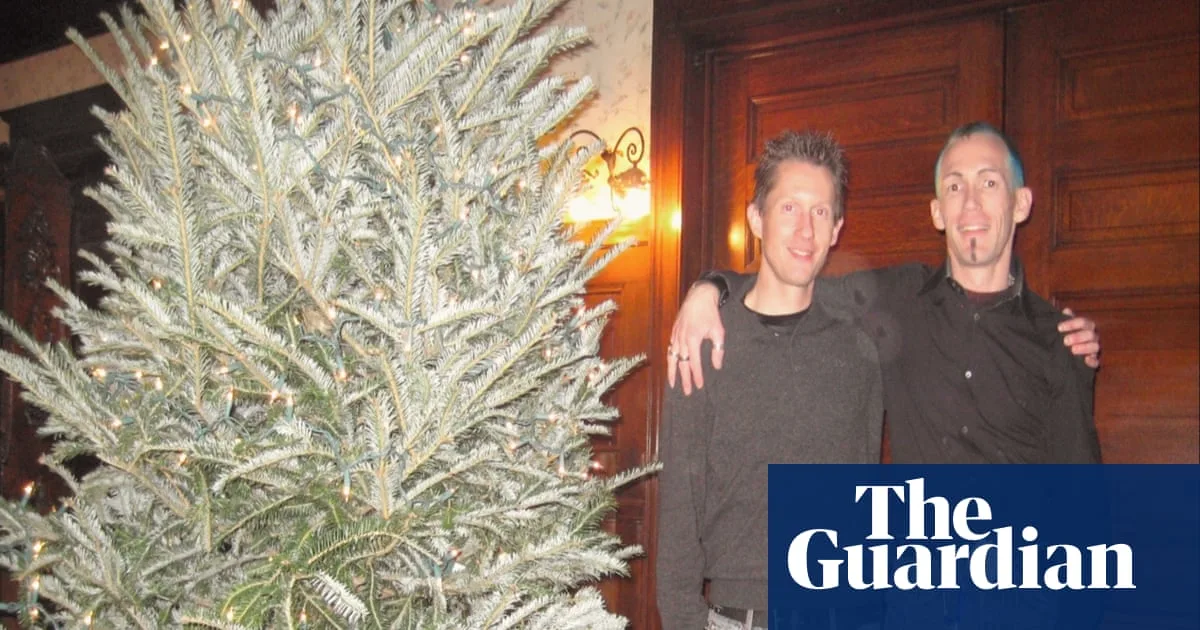
A new HBO documentary, Murder in Glitterball City, delves into the complex and grisly murder of Jamie Carroll, a 46-year-old hairdresser and business owner in Louisville, Kentucky. The case, which has become a local legend in the Old Louisville neighbourhood, involves a gay couple—Jeffrey Mundt and Joey Banis—who each gave entirely different accounts of the killing. The documentary, directed by Fenton Bailey and Randy Barbato of World of Wonder, aims to present a nuanced perspective on a story often sensationalised in true crime media.
The murder trial in 2009 captured attention for its lurid details, including meth-fueled group sex, pathological lies, intense BDSM, and a body left to rot in a basement of a former sanatorium. However, the directors emphasise that the case defies simple categorisation. 'The story had been told in a sort of American Horror Story style,' Bailey told the press, 'showing demonic people and with tabloid headlines.' The documentary instead embraces the complexity, refusing to paint clear heroes or villains.
Bailey and Barbato, known for their work on RuPaul's Drag Race and documentaries like The Eyes of Tammy Faye, were drawn to the case after being approached by HBO Docs. They spent time in Old Louisville, a neighbourhood preserved largely by queer men who saved its Victorian houses from demolition. 'What made it click was that this is a queer true crime story,' Bailey explained. 'Jeffrey, Jamie and Joey are queer, and the author David is queer. Being there gave us a responsibility to tell this right.'

The film takes its title from the invention of the mirrorball in Louisville in 1917, a symbol of disco-dancing liberation that the directors use to represent the many conflicting perspectives in the case. 'The idea of a single beam of light hitting a disco ball and producing all of these confusing, different lights—that's what the story is like,' Bailey said. The documentary is now available on HBO.