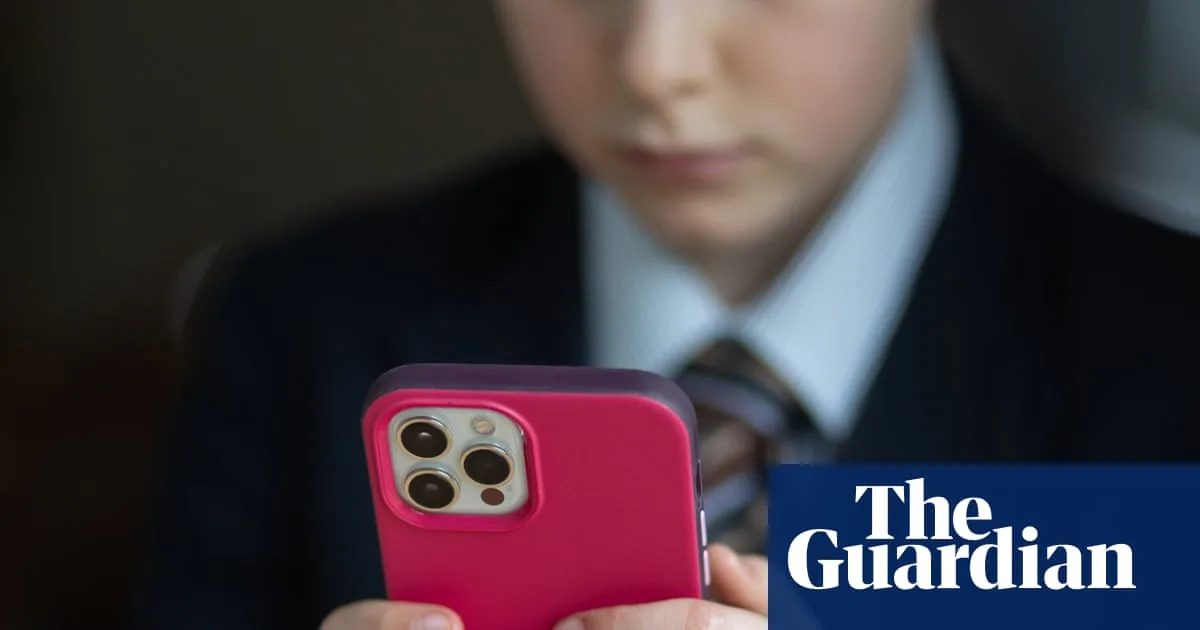
A study by researchers at US universities including Stanford and Duke has found that strict bans on mobile phones in schools have 'close to zero' impact on student learning, with no evidence of improvements in attendance or reductions in online bullying. The study, published by the National Bureau of Economic Research, examined nearly 1,800 US schools where students' phones were kept in locked pouches.
The report concluded that among schools instituting a ban, average effects on test scores were consistently close to zero. However, Professor Thomas Dee of Stanford University, one of the report's authors, cautioned against interpreting the findings as a reason to abandon phone restrictions. He noted that the bans were driving down phone usage and that longer-term experiences showed a shift towards more positive outcomes.
The study found that lower phone use did not translate into measurable improvements in student attainment or non-academic outcomes. It also noted a rise in suspensions and a dip in students' feelings of wellbeing in the first year after a ban, but these effects faded over time, with wellbeing rebounding in subsequent years.
The findings come as the UK government moves to legislate restrictions on mobile phones in England's state schools. Last month, the Department for Education announced plans to make such restrictions a statutory requirement. Recent research by England's children's commissioner found that over 90% of schools already have policies barring phone use, but the new rules are expected to toughen these policies.
Meanwhile, the Girls' Day School Trust has announced a ban on phones for pupils up to year 11 from September, citing harmful effects on girls. As exam season approaches, England's exam regulator Ofqual has warned students not to take phones or smart watches into exam halls after over 500 candidates were disqualified last year.