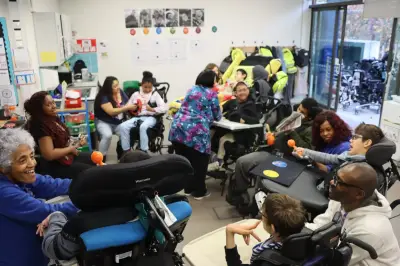
Molly Kingsley, co-founder of the parent-led campaign group UsForThem, has criticised the UK government for failing to address the widespread use of screens and 1:1 devices in schools, which she argues are harmful to children. Writing in an opinion piece, she highlights that while products like unsafe footballs and defective machinery have led to legal action against schools, screens are exempt from similar safeguards.
Legal Precedents and the Ed-Tech Exemption
Kingsley points to past cases where schools were held accountable for unsafe products. In 2002, Kent County Council was found liable after a boy was left blind in one eye when struck by a leather football that the school had failed to ban. In 2014, Islington Council was fined £220,000 after a pupil lost part of a finger to a defective sanding machine.
Despite these precedents, she notes that ed-tech products are covered by a legal exemption that may have been justified in the late 20th century but is now "dangerously out of date." This exemption allows screens to be used daily in classrooms, with one survey suggesting more than one million British schoolchildren use 1:1 devices in nearly every lesson.
Health and Educational Concerns
The article cites growing concerns from child health specialists, educators, and parents about the physical, developmental, social, and cognitive impacts of screen use. Each additional hour of daily screen time is associated with a 21% increase in short-sightedness, alongside cardio-metabolic and musculoskeletal issues such as obesity, hypertension, and impacts on bone health and posture. Excessive screen use is also linked to speech and language problems.
Kingsley argues that screen-based learning compromises education itself, citing studies indicating that students who use no computers consistently fare better than those who do. Even 30 minutes of screen use, an amount routinely exceeded by most UK schoolchildren, negatively impacts reading and comprehension.
Political and Policy Debate
The piece references recent political exchanges, noting that Education Secretary Lucy Powell has said children need to be taught on devices to "prepare them for the world they are growing up in." Powell also accused Shadow Education Minister Laura Trott of "shameful" politicking after the Conservatives proposed slashing classroom screen time.
Kingsley counters that with school absenteeism at an all-time high and a record one million young people not in employment, education or training, the dehumanisation of education appears correlated with record levels of disengagement. She concludes that when adults are on notice of preventable harm to children, it would be shameful not to act decisively, and that the government should not sit on its hands over a safeguarding issue.