Minnesota School Districts Sue to Block Immigration Enforcement Near Schools
Two Minnesota school districts and the state's primary teachers union have filed a federal lawsuit seeking to overturn a Trump administration policy change that expanded immigration enforcement actions in and around educational institutions. The legal challenge, presented before U.S. District Judge Laura Provinzino, argues that the policy has created an atmosphere of fear, severely disrupting student attendance and learning environments.
Legal Battle Over Sensitive Locations Policy
Attorneys representing the Fridley and Duluth school districts, along with Education Minnesota union, formally requested either a stay or preliminary injunction that would reinstate previous nationwide restrictions. These longstanding rules had designated schools, churches, hospitals, and school bus stops as "sensitive locations" where immigration enforcement was generally prohibited except under extraordinary circumstances.
The Department of Homeland Security rescinded these protections last year, granting immigration authorities significantly broader discretion to conduct operations near educational facilities. This policy shift occurred alongside Operation Metro Surge, which deployed approximately 3,000 federal officers to Minnesota and resulted in two civilian fatalities in Minneapolis during January.

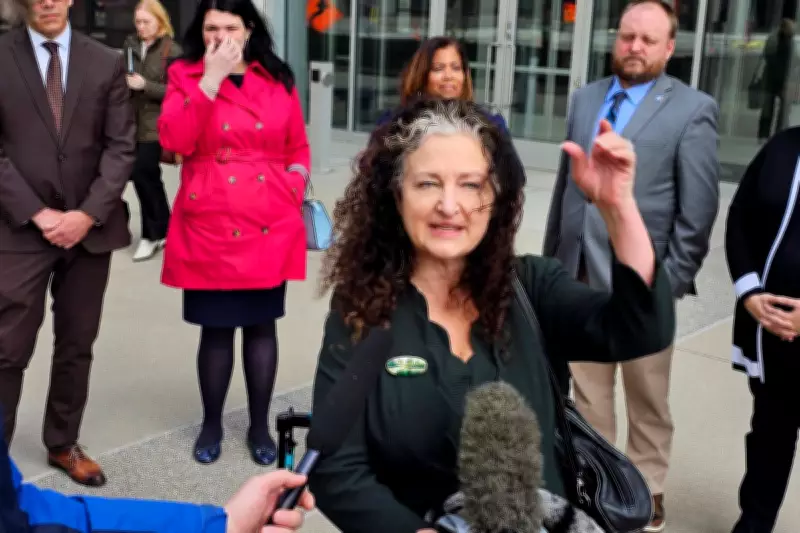
Attorney Amanda Cialkowski, representing the plaintiffs, acknowledged uncertainty about whether a favorable ruling would extend beyond Minnesota or apply to other sensitive locations. "We'll just have to wait and see what the judge does," she told reporters following Wednesday's hearing.
Devastating Impact on School Communities
The policy change has produced measurable consequences across Minnesota school districts. Fridley Superintendent Brenda Lewis testified that attendance "deeply impacted" because families no longer felt safe sending children to school. Her district has lost 72 students since December, affecting funding tied to enrollment and meal programs.
"Some enrolled in districts they considered safer, while others have left the country, and some are in detention centers," Lewis explained. The district was forced to implement virtual learning for many students, placing additional strain on educational resources.
Duluth Superintendent John Magas noted that his district, located approximately 150 miles north of Minneapolis, began experiencing policy effects well before Operation Metro Surge intensified enforcement actions. Despite being outside the Twin Cities metropolitan area, Duluth schools witnessed similar disruptions to learning environments.
National Implications and Congressional Standoff
This Minnesota lawsuit reflects broader national concerns about immigration enforcement near educational institutions. Teachers across the United States have documented how enforcement actions have transformed their professional responsibilities and students' lives. In ongoing federal litigation in Oregon, educators described raid rumors frightening students away, immigrant parents withdrawing children from school entirely, and arrests occurring at bus stops.
The dispute also intersects with unresolved congressional negotiations regarding Homeland Security funding. Democratic lawmakers have consistently demanded that federal authorities refrain from enforcement operations around schools, churches, and hospitals, creating another point of contention in the ongoing budget standoff.
Complex Legal Arguments and Judicial Deliberation
Wednesday's hearing focused on intricate legal questions regarding whether the school districts and union possess proper standing to sue, whether they can demonstrate direct harm from the policy change, and whether the new guidance constitutes a final agency decision subject to judicial review.
Justice Department attorney Jessica Lundberg argued that reinstating previous guidance "wouldn't really have a meaningful impact," noting that enforcement near schools remained possible even under older regulations. However, the plaintiffs countered that the policy change has created tangible, measurable harm to educational institutions and student wellbeing.

Judge Provinzino indicated she would rule "as quickly as I can... but also making sure I get it right," acknowledging the complexity and significance of the case. Both superintendents attended the courtroom proceedings, underscoring the importance their districts place on resolving this issue.
Documented Attendance Declines Across Minnesota
Statistical evidence reveals the policy's substantial impact on school attendance. During the enforcement crackdown, Twin Cities area districts experienced significant absenteeism spikes. St. Paul Public Schools reported over 9,000 absent students in mid-January, representing more than a quarter of the district's enrollment according to Associated Press data.
Minneapolis Public Schools documented over 8,000 students staying home on the final school day in January, nearly 30% of total enrollment. Court filings indicate Fridley schools saw attendance drop by almost one-third during this period, demonstrating the policy's immediate consequences.
While Operation Metro Surge has officially concluded, Superintendent Lewis emphasized that its effects "will last for many years," even though Fridley hasn't witnessed Immigration and Customs Enforcement officers on school property for eight weeks. The case continues as educators and administrators await judicial determination that could reshape immigration enforcement practices near educational institutions nationwide.