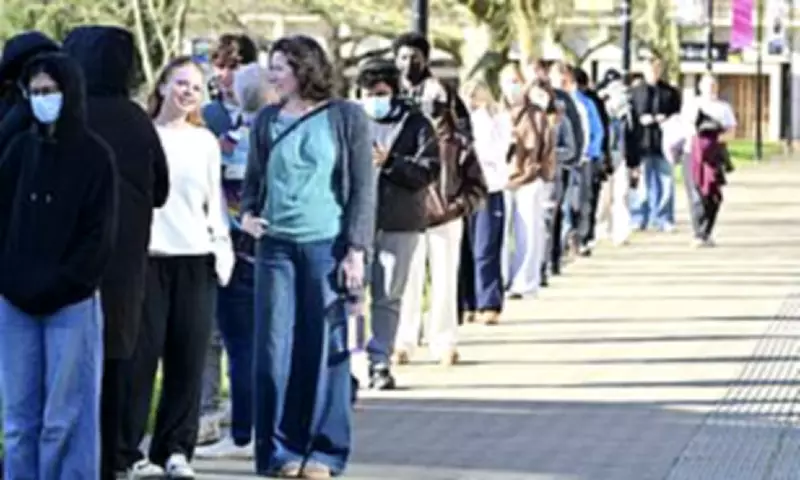
University of Kent Students Demand Immediate Campus Shutdown Following Meningitis Outbreak
Students at the University of Kent are demanding the immediate closure of the campus after the UK Health Security Agency (UKHSA) declared the escalating meningitis outbreak a 'national incident'. A Change.org petition calling for the university to halt all in-person classes, examinations, and events has already garnered nearly six thousand signatures, reflecting widespread concern among the student body.
Rising Case Numbers and Tragic Fatalities
The UKHSA has confirmed that the number of meningitis cases in Kent has surged to 20, an increase from 15 reported just yesterday. Laboratory tests have confirmed nine cases, with 11 others still under active investigation. Alarmingly, six of the confirmed cases have been identified as the particularly serious meningitis B strain. The outbreak has tragically claimed two lives: 18-year-old sixth-form pupil Juliette Kenny and a 21-year-old University of Kent student.
Cases linked to the outbreak have also been reported outside Kent, including in London and France, placing additional strain on health resources. Pharmacies are reportedly struggling to meet the sudden surge in demand for vaccines and preventative antibiotics. The National Pharmacy Association confirmed today that meningitis B vaccines are currently unavailable for private purchase across the country.

University Response and Student Dissatisfaction
In response to the crisis, the University of Kent, in collaboration with public health officials, is offering meningitis vaccinations and preventative antibiotics to more than 5,000 students. However, the organisers of the student petition argue that the institution's actions are insufficient and that it must do more to ensure campus safety.
The petition states: 'Students at the University of Kent are increasingly concerned about reports of meningitis and sepsis affecting members of the campus community. The confirmation of two deaths, along with reports of hospitalisations, has caused understandable concern among students and staff.' It criticises the continuation of in-person exams and large gatherings, arguing they force students to choose between academic obligations and their health.
An anonymous petition organiser explained: 'I started this petition not to criticise the university but to raise awareness and ensure students are properly informed during a very concerning time. Many students felt they were still in the dark about the seriousness of the cases on campus.'
Student Voices and Campus Atmosphere
The anxiety on campus is palpable. One student commented on the petition: 'I will not be attending my exam if they do not change my courses to online. I would rather fail and resit than risk infection and passing it on to vulnerable family members.' Another noted the perceived inconsistency in the university's response, comparing it to a previous campus closure over a water shortage.
Economics student Mohammed Olayinka, 21, described the campus as a 'bit of a ghost town', with many students leaving due to panic and uncertainty. He chose to stay on campus to avoid potentially transmitting the disease to his family. Architecture student Sophie, living off-campus, expressed confusion over how to access a meningitis vaccine, highlighting communication issues.
Expert Analysis and Official Statements
University officials maintain they are following all public health guidance by keeping the campus open while urging vigilance for symptoms like fever, headache, and stiff neck. However, expert opinion offers a nuanced view. Dr Bharat Pankhania, a senior clinical lecturer at the University of Exeter Medical School, emphasised that targeted antibiotics for close contacts are the key response to this contained outbreak, not broad lockdowns or restrictions.
The outbreak is believed to have originated at Club Chemistry nightclub in Canterbury, which experts warn may have acted as a 'super-spreader' event. The club's owner, Louise Jones-Roberts, stated she was only informed of the outbreak days after the first cases via social media and has since closed the venue indefinitely.

National Significance and Public Health Response
The situation has drawn national attention. Health Secretary Wes Streeting expressed his condolences to the families of the deceased, acknowledging the seriousness of meningitis while stating the general public risk remains 'very low'. He clarified that the disease spreads through close personal contact, not general public spaces.
Deputy chief medical officer Dr Thomas Waite described this as the quickest growing outbreak of his career, noting its national significance despite being centred in Kent. UKHSA chief executive Susan Hopkins warned of the 'explosive' nature of the infections, linked to university halls, and highlighted the potentially high fatality rate of meningococcal bacteria.
In the House of Commons, the UKHSA faced criticism for its handling of the outbreak. In response, public health efforts have intensified. Officials are now tracing over 2,000 nightclub revellers potentially exposed. The antibiotic distribution has been expanded from specific blocks to all 5,000 students in university halls, with 11,000 doses made available. A targeted vaccination programme for hall residents is also being prepared for rollout in the coming days. Four schools across Kent have also reported confirmed cases, with hundreds more people being offered preventative treatment as laboratory scientists investigate a possible mutant strain of MenB.