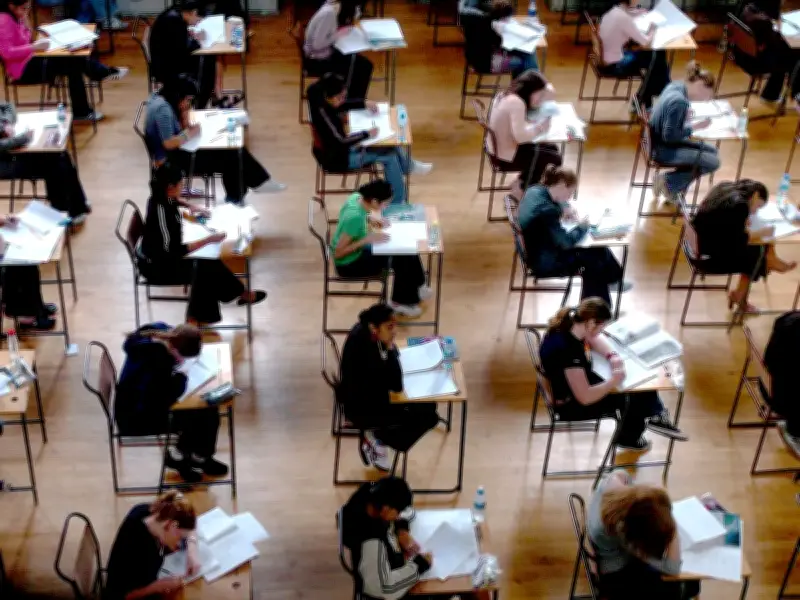
Thousands of students across the UK are collecting their GCSE results. After months of revision, the results may determine progression to A-levels, further education, or apprenticeships, and could impact future university applications and career options. However, grades are not the be-all or end-all of what you can achieve in life.
How to Challenge a Grade
According to the government website, you can challenge a grade or result if you think there has been a mistake. You can ask your school or college to request a review from the exam board. The exam board will check your work for marking mistakes, and your mark may change if they find any. If your mark changes, your overall grade may also change. Your new grade could be higher or lower than the original.
If you still believe there is a mistake, you can ask your school or college to appeal the result. The exam board will then look at your work again and decide if your mark or grade needs correcting. If you think the exam board did not handle your appeal properly, you can request a review from Ofqual.
Understanding GCSE Grades and Boundaries
The majority of students taking GCSEs in England receive grades from 9 to 1, with 9 being the highest grade. Grade 4 is equivalent to a C, with Grade 9 equivalent to a high A*. The GCSE performances of schools are judged partly on the number of pupils achieving Grade 5 or above, which is considered a "strong" pass.
Grade boundaries are decided after GCSE exams are marked and are used on results day. They are not fixed from one year to the next, with exam boards deciding where they should fall once marking is almost complete. A grade boundary is simply the minimum number of marks needed to achieve a particular grade. If an exam is easier than in previous years, the grade boundaries for that paper will be higher. If it is harder, the grade boundaries will be lower.
Why Grade Boundaries Change Each Year
Guidance about grade boundaries on Gov.uk states: "The difficulty of exam questions varies year to year, even though exam boards try to keep the level of demand consistent. That's because it is impossible to determine how difficult students will find a paper until it is taken. This is why new grade boundaries are set each year – to reflect the difficulty of that particular paper, and to ensure that it is no easier or harder to get a grade in any given year."
It added: "The quality of a student's work in their exams determines the grade they get and no-one is advantaged or disadvantaged by the year in which they happen to sit the exam. There are no quotas for the number of students who must pass or fail a subject each year, and no cap on the number of students that can get each grade." Grade boundaries are set with the aim of maintaining standards over time, not to ensure that the same proportion of students get a particular grade.