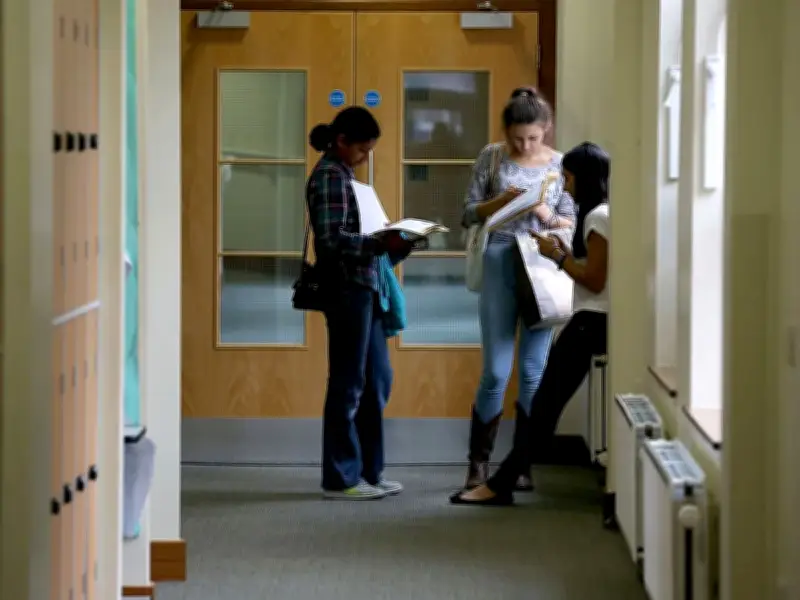
The Children's Commissioner, Dame Rachel de Souza, has warned that more than 40,000 young people may be 'slipping through the cracks' of the education system. Dame Rachel estimated that around 42,000 youngsters, aged between 16 and 17, are currently enrolled in colleges but are attending less than half the time. This means these teenagers are effectively disengaged from education while remaining outside official figures.
Rising Neet Numbers
The warning comes after official figures, recorded earlier this year, showed the number of young people aged 16-24 not in education, employment or training - known as Neets - had risen for the first time in over a decade to more than a million. The most recent figures, recorded in August, indicated there were around 981,000 Neets in April to June - a fall of 30,000 compared to the first quarter of the year. However, the Office for National Statistics said the number was still 30,000 higher than a year ago.
With thousands of young people already understood to be Neets, Dame Rachel has warned of a "blind spot" after her office obtained figures from further education settings which she says are not required to report to the Department for Education on attendance in the same way as schools.

College Attendance Data
Responses from 262 of England's 290 college groups suggested 28,528 young people aged 16 and 17 were severely absent - meaning they missed half the sessions they were expected to attend - from further education settings in spring this year. Her office extrapolated the data across all college groups in England and estimated this represents around 41,995 students being severely absent. Data also indicated that more than half (52.2%) of college students were persistently absent - meaning they had an attendance below 90%.
On the data, Dame Rachel said: "My concern is that tens of thousands of children are currently being counted as 'in education' when, in reality, they are barely attending.
We have a blind spot: hidden Neets slipping through the cracks, young people with all the negative impacts of not being in employment, education or training but with none of the targeted interventions designed to help and support them. Further education is the crucial bridge between school and work, and that is why any solution to the Neets crisis must address attendance must be built on urgently identifying and supporting young people before they disengage from education."
Barriers and Recommendations
Colleges told Dame Rachel's office that barriers preventing young people from attending college included mental health difficulties, poverty and financial hardship, transport problems, caring responsibilities, paid work and the transition from school to college, as well as previous negative experiences of education.
The Children's Commissioner has recommended attendance data for 16 and 17-year-olds across all state-funded education providers, including further education colleges, should be collected; more support for young people facing barriers to attendance, greater support for young people moving into work; and free bus travel being extended to all children.
A Department for Education spokesperson has now said the commissioner's research is "an important report that highlights just how badly students in further education need to be prioritised in future reforms". They said the Government is "introducing attendance monitoring and tracking in colleges and accelerating the roll out of Mental Health Support Teams in colleges".
They added: "Just like with schools, we will continue to work with the further education sector to ensure that colleges and training providers proactively and effectively tackle student absenteeism."